
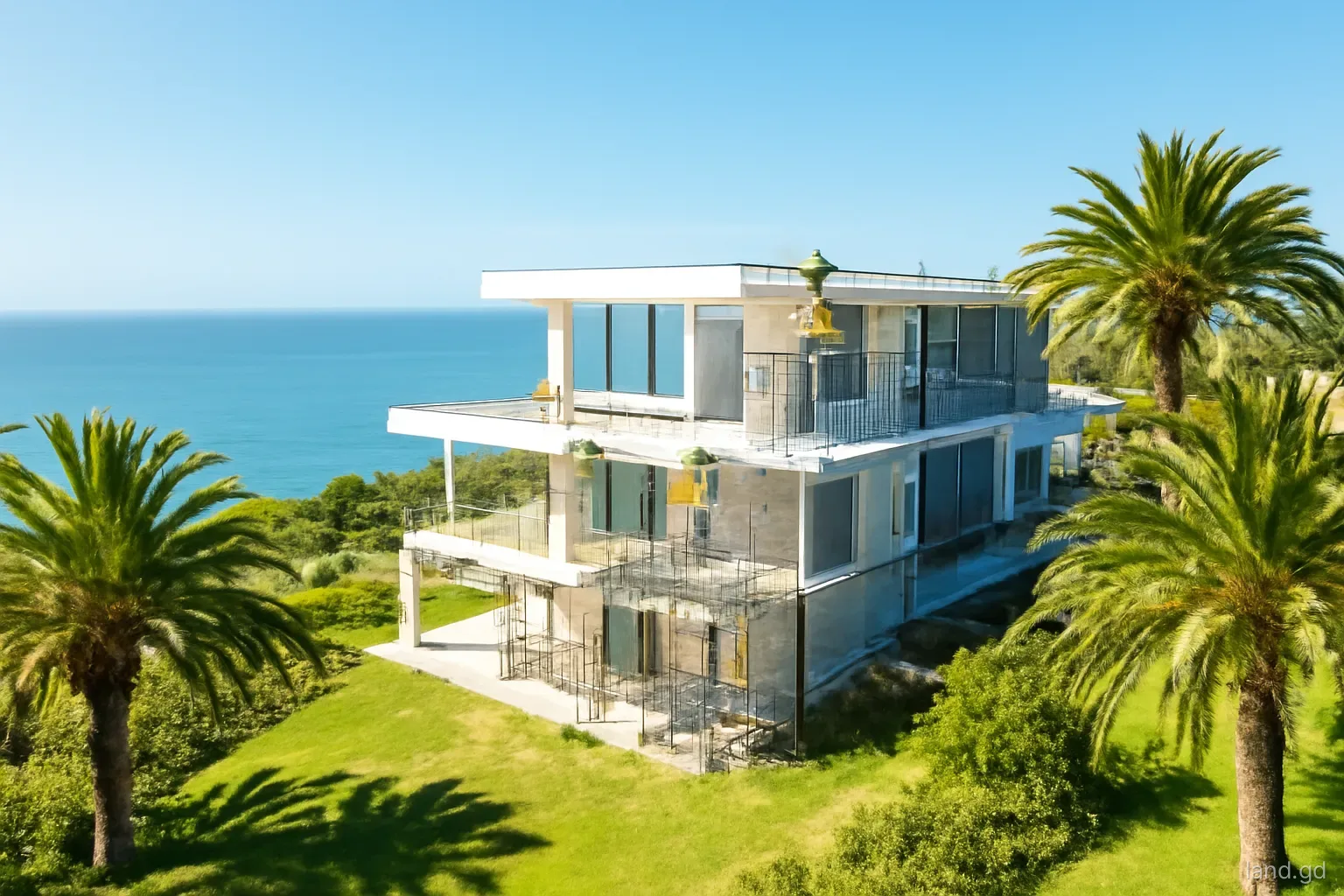
Grenada's citizenship by investment programme and the Alien Landholding Licence are two separate systems that meet at an important point: once a foreign investor becomes a Grenadian citizen, they are no longer an alien under the Aliens (Land Holding Regulation) Act. Future land purchases are made as a citizen, without a licence or its fee.
Before that point, the relationship is more nuanced. Investors who choose the real estate route buy into a government-approved project, and those qualifying units are generally treated as not requiring a licence. But buying other land, before citizenship is granted, is a different matter.
This article explains how the two systems interact, what it means for someone who wants both a passport and a plot of land, and the timing mistakes that can cost money. The programme's rules, thresholds and fees are set by government and change from time to time, so confirm the current position with the CBI Unit, a licensed agent and a Grenadian attorney.
How the programme relates to land
Grenada's citizenship by investment programme offers citizenship to qualifying applicants and their families in return for an approved investment, after due diligence. Applications are made through licensed agents and processed by the government unit responsible for the programme. Two main investment routes have been available: a contribution to a national fund, and investment in an approved real estate project, such as a hotel or resort development.
Under the real estate route, the investor buys a share or unit in a project that the government has approved for the programme. These are usually tourism developments rather than ordinary houses or plots of land. The units are subject to minimum holding periods before they can be resold, and the rules on resale, and on whether a later buyer can use the same unit for their own application, have specific conditions.
For licence purposes, units bought as the qualifying investment in an approved project are generally treated as not requiring an Alien Landholding Licence. That is a feature of the programme, not a general exemption for foreigners buying real estate, and it applies to the approved project, not to other land the investor might fancy.
Four scenarios, compared
Approved project unit as the CBI investment. Generally no licence required for the qualifying unit. Citizenship follows if the application is approved.
Ordinary land bought before citizenship is granted. The buyer is still an alien. A licence is required in the usual way, with the usual fee, even if a CBI application is pending.
Ordinary land bought after citizenship is granted. The buyer is a citizen. No licence is needed. Proof of citizenship, such as a Grenadian passport or certificate, should be provided to the attorney.
Land bought through a company owned by a new citizen. Whether the company is treated as alien depends on who owns and controls it. If all controlling owners are citizens, the position differs from a foreign-controlled company; confirm with an attorney.
Why timing matters so much
The most expensive mistake in this area is buying ordinary land a few months too early. An investor who has applied for citizenship and expects approval may be tempted to secure a plot straight away. If the purchase completes before citizenship is granted, the licence is required, and its fee, commonly stated as 10% of value, is paid. If the same purchase completed after citizenship was granted, no fee would be due.
On a significant plot that difference is substantial. A buyer who has found the right land can sometimes agree a sale with a completion date set after the expected citizenship approval, or include a condition dealing with the investor's status. But CBI processing times vary, due diligence can raise questions, and approval is not guaranteed, so any such arrangement needs careful drafting and a seller willing to wait.
Equally, investors should not assume citizenship will be granted. If the CBI application is refused, the investor remains an alien, and any land purchase would need a licence. Agreements built around expected citizenship should provide for that possibility.
Questions to ask before combining CBI and a land purchase
Investors planning both should work through these points with their licensed agent and a Grenadian attorney:
- Which investment route suits the family, and what are the current thresholds and government fees?
- If the real estate route is chosen, is the project approved, what are the holding period and resale rules, and what happens if the project is delayed?
- Is the investor buying other land in addition to the qualifying investment, and when?
- What is the realistic timeline for the citizenship decision, and how does it fit with the land purchase?
- Can the land purchase be structured to complete after citizenship, and does the seller accept that?
- If citizenship is refused, what happens to the land purchase?
- Will the land be held personally, jointly with family members who also gain citizenship, or through a company?
- Are there tax implications in the investor's home country of holding Grenadian property or citizenship?
Life after citizenship: buying land as a Grenadian
Once citizenship is granted, the investor and the family members included in the application can buy land as citizens. The practical steps are the same as for any Grenadian buyer: find land, instruct an attorney, run title searches and a survey check, sign an agreement, pay the deposit and complete. Without the licence stage, completion can be much faster, and the budget is lighter by the amount of the fee.
New citizens should bring their Grenadian passport or certificate of citizenship to the attorney at the outset. If the land is to be held with a family member who is not a citizen, such as a spouse who was not included in the application, the licence may still be relevant for that person's interest.
Other rules do not change with citizenship. Planning permission, coastal setbacks, protected areas, building codes, property tax and the need for careful title checks all apply in the same way to every owner. Citizenship removes one obstacle; it does not remove the need for due diligence.
Pitfalls for investors
These are the errors that most often cost CBI investors money or time when land is involved:
- Completing an ordinary land purchase shortly before citizenship is granted and paying a licence fee that could have been avoided.
- Assuming the CBI real estate exemption covers any property, rather than the approved project unit.
- Signing a land agreement that assumes citizenship will be granted, with no provision for refusal.
- Overlooking holding periods and resale restrictions on approved project units.
- Buying through a company without checking how its ownership affects the licence position.
- Relying on promotional material rather than independent advice from a Grenadian attorney.
- Forgetting that family members not included in the application are still aliens for land purposes.
- Treating an approved project unit as a family home without checking how often owners may use it and on what terms.
Choosing between the routes with land in mind
For an investor whose main goal is a private home on their own plot, the order of events matters more than the route. Some choose the fund contribution route, obtain citizenship, and then buy land as citizens, avoiding the licence fee on their home. Others prefer the real estate route because it leaves them holding an asset, then buy a separate plot after citizenship is granted.
Each path has its own costs, holding periods and risks, and comparisons depend on current programme rules that change from time to time. A licensed agent can set out the present thresholds and government fees; a Grenadian attorney can explain the land side; and a tax adviser in the investor's home country can explain any consequences there.
What does not change is the basic logic: as long as the investor is an alien, ordinary land needs a licence, and once they are a citizen, it does not. Planning the purchase around that point is usually the single biggest saving available.
Frequently asked questions
Do citizenship by investment applicants need an Alien Landholding Licence?
Units bought in a government-approved project as the qualifying CBI investment are generally treated as not requiring a licence. Other land bought before citizenship is granted does need one. After citizenship, purchases are made as a citizen without a licence. Confirm details with a Grenadian attorney.
Can a CBI investor buy a house lot instead of a project unit?
Ordinary house lots are not usually qualifying investments for the programme, which uses approved projects. An investor can still buy a lot, but before citizenship it would need a licence. Many investors wait until citizenship is granted before buying land for a private home.
Once a person is a Grenadian citizen by investment, is a licence ever needed?
Not for land held personally as a citizen. A licence may still be relevant if the land is held jointly with a non-citizen, such as a spouse not included in the application, or through a company controlled by non-citizens. An attorney can confirm the position.
How long does citizenship by investment take?
Processing times vary with the application, due diligence and government workload, and can change over time. A licensed agent can give a current estimate. Investors planning a land purchase should not assume a fixed date for approval when setting completion dates.
Can a CBI project unit be resold to another foreigner?
Approved project units carry holding periods and resale rules set by the programme. Whether a later buyer needs a licence, or can use the unit for their own application, depends on those rules and the circumstances. Check with the CBI Unit and a Grenadian attorney.