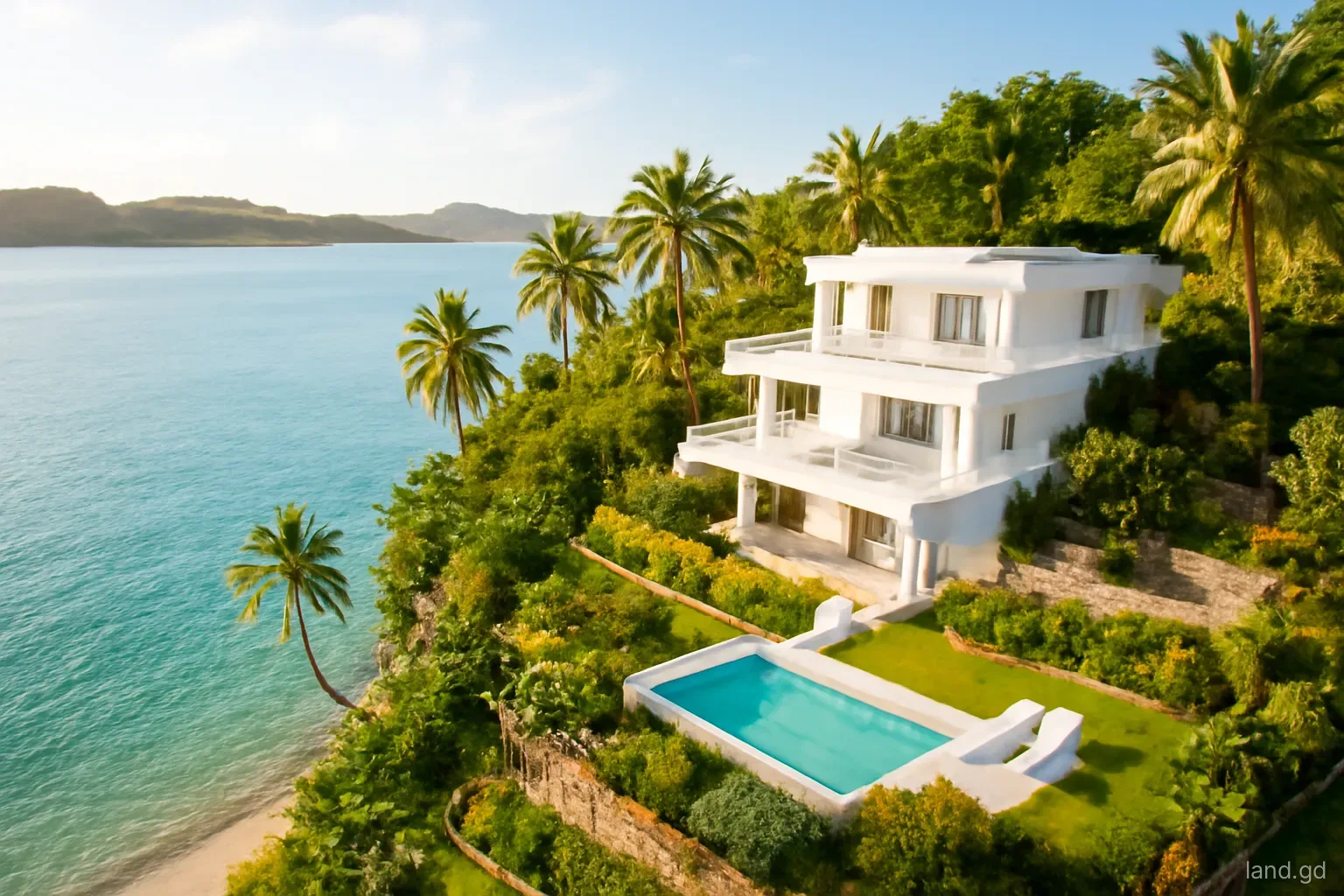
The asking price is the number buyers remember, but it is rarely the number they end up spending. Between the moment you agree a price and the day you can start building, a Grenadian land purchase picks up taxes, legal fees, survey costs, possibly a licence fee, and then the expense of making the plot usable.
None of these costs is unusual, but together they can add a significant percentage to the price of bare land, especially for a foreign buyer, and site preparation on a steep or overgrown plot can add more. Buyers who budget only for the price often find themselves short just as construction is meant to begin.
This guide sets out the main cost categories in order. Exact rates for taxes and fees are set by law and can change in budgets, so treat any percentages here as orientation and have your attorney confirm current figures before you commit.
Transaction costs at purchase
Transfer taxes and stamp duty. Transfers of land in Grenada attract government taxes and stamp duty. How these are split between buyer and seller is set by law and custom, and rates can differ depending on circumstances, including whether parties are citizens. Ask your attorney for a written breakdown of exactly what you will pay.
Legal fees. Attorneys usually quote conveyancing fees as a percentage of the price or as a fixed fee, with additional charges for the licence application and other work. Get a written quote at the outset that states what is included.
Alien Landholding Licence. For non-citizens, the licence fee is commonly stated as 10% of the value of the property, payable when the licence is granted. On a US$100,000 plot that is US$10,000, or EC$27,000 at the fixed rate. It is often the largest extra cost for foreign buyers.
Agent commission. Normally paid by the seller, but it is reflected in the price. A buyer who engages an agent separately to search for land may pay a fee by agreement.
Bank charges. International transfers, currency conversion and local bank fees add up on large amounts. Compare rates and allow time for compliance checks.
Survey, valuation and professional advice
Even if the seller has a survey plan, a licensed surveyor's check on the ground is worth paying for. If the plot is being carved out of a larger parcel, a full subdivision survey is needed, which costs more and is often split with the seller by agreement. Survey fees depend on the size and terrain of the land, so ask for a quote.
A valuation from a qualified valuer is required if you are borrowing, and useful anyway for larger purchases. An engineer's opinion on a steep or unusual site, and possibly a basic soil investigation, can prevent expensive surprises later. These advisory costs are small compared with the price of the land, but they need to be in the budget from the start.
If you are not in Grenada, add the cost of trips to view the land and attend meetings, and of preparing and notarising powers of attorney so documents can be signed locally on your behalf.
Finally, ask whether the seller expects the buyer to share any costs of putting the title in order, such as a new survey or registry searches. Practice varies, and the sale agreement should record who pays for what. Small items like certified copies, registry charges and courier costs for original documents are individually minor but add up across a purchase, so ask your attorney to include an allowance for them in the written estimate from the start.
Getting the plot ready to build
This is where budgets most often overrun. Each item depends heavily on the specific site, so get local quotes before buying:
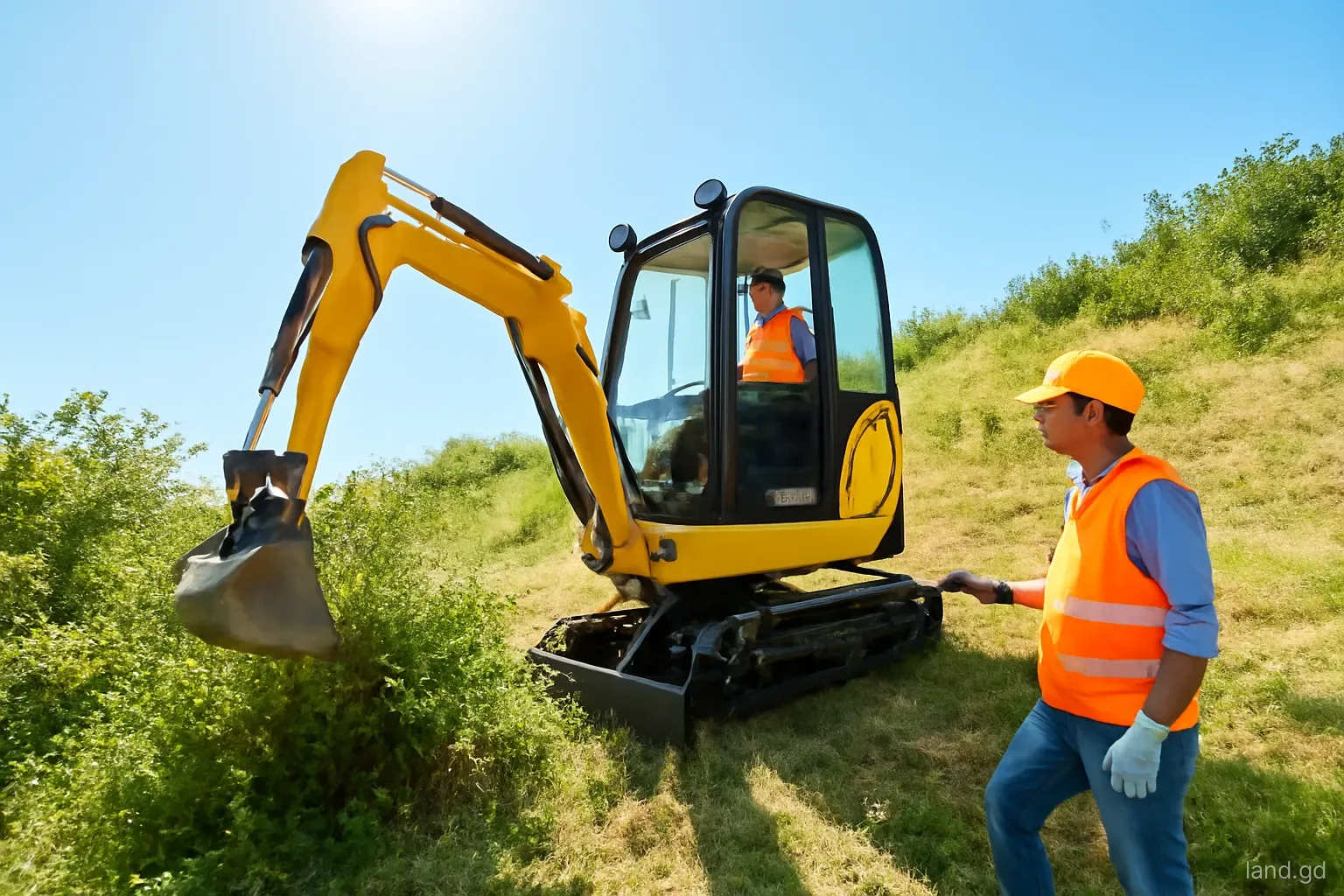
- Clearing: bush, trees and old crops must be cleared, and on overgrown land this can take machinery and several days.
- Access: a driveway from the road to the building site, which on hillsides may need retaining walls, drainage and a concrete surface.
- Levelling and retaining walls: sloping plots usually need cut-and-fill work and walls to create a building platform.
- Water: connection to the NAWASA main if available, and in most cases a cistern or tanks for storage.
- Electricity: GRENLEC connection, which may involve new poles if the plot is far from an existing line.
- Septic system: designed for the soil and slope, as part of the building plans.
- Fencing and boundary markers: to secure the land and prevent encroachment while you plan.
- Planning fees and drawings: architect or draughtsperson fees, engineering drawings and the application to the Physical Planning Unit.
Ongoing costs of owning land
Owning land in Grenada is relatively cheap year to year, but not free. Property tax is assessed annually on land and buildings, and rates have historically been modest compared with many countries. The rate and basis of assessment are set by the government and can change, and different rules can apply depending on use and ownership, so check with your attorney or the Inland Revenue Division.
Vacant land needs maintenance. In the tropical climate, bush grows back quickly, and an overgrown plot can attract dumping, squatting and complaints from neighbours. Many absentee owners pay someone local to cut the land several times a year. If the plot has fruit trees, decide whether you want them harvested and by whom.
Insurance is usually not relevant for bare land, but once construction starts you will need cover for works in progress, and later for the finished building. Finally, if you leave the land vacant for a long time, keep an eye on boundary pegs and fencing; a friendly neighbour or caretaker who checks occasionally is worth the cost.
A sample budget, in proportions
Because rates change and every plot differs, a percentage view is more useful than fixed numbers. For a foreign buyer of a modest plot, the licence fee alone adds around 10% to the price. Taxes, stamp duty, legal and survey costs together typically add several more percentage points; your attorney's written breakdown will give the exact figure. Site preparation can range from a small sum on a flat, serviced lot to a substantial amount on a steep, overgrown plot far from services.
A sensible approach is to build a spreadsheet with three columns: purchase costs, preparation costs and ongoing costs. Fill each line with a written quote rather than an estimate wherever possible, and add a contingency of at least 10% to the total. Convert all figures into one currency at EC$2.70 to US$1 to avoid confusion.
Then compare the full cost with a serviced plot in a subdivision. Sometimes the cheaper raw plot turns out to be the more expensive option once everything is counted; sometimes it really is the better deal. Either way, the decision is made with the whole picture rather than just the asking price.
Budgeting mistakes to avoid
Most budget shortfalls come from a small number of predictable oversights:
- Budgeting for the land price but not the licence fee, taxes and legal costs.
- Assuming utilities are at the boundary because a neighbour has them.
- Ignoring the cost of retaining walls and drainage on sloping plots.
- Forgetting currency conversion and international transfer fees on large sums.
- Leaving no contingency for price rises in materials, which are largely imported.
- Not planning for maintenance of vacant land while plans are drawn up and approved.
- Relying on figures from an old listing or a friend's purchase years ago; taxes, fees and building costs change, so every number should be current and confirmed in writing.
- Spending the contingency on upgrades before the foundations are even poured.
Frequently asked questions
How much should be added to the land price for costs in Grenada?
It depends on the buyer and the plot. Citizens pay transfer-related taxes and legal fees; non-citizens also pay the Alien Landholding Licence, commonly stated as 10% of value. Site preparation varies widely. Ask your attorney for a written breakdown and get builders' quotes for preparing the land before committing.
Who pays stamp duty on a land sale in Grenada?
The split of stamp duty and transfer taxes between buyer and seller is set by law and practice and can depend on the circumstances. Your attorney will tell you what you are responsible for and include it in the completion statement. Make sure the sale agreement records the agreed position.
Is property tax on land high in Grenada?
Property tax rates in Grenada have generally been modest compared with many other countries, but the rate and basis can change, and different rules may apply depending on use and ownership. Check the current position with the Inland Revenue Division or your attorney for your specific plot.
Can you get a mortgage for land in Grenada?
Some local banks and credit unions lend against land, but terms for bare land are usually stricter than for houses, and non-resident foreigners may find lending limited. A valuation is required. Many foreign buyers pay cash for land and seek finance later for construction, if at all.
What does it cost to clear a plot of land?
Costs depend on the size of the plot, how overgrown it is, the terrain and whether machinery can reach it. A flat, lightly overgrown lot is cheap to clear; a steep, densely wooded one costs much more. Get quotes from local contractors who have seen the land.