Search online for land in Grenada and the same few dozen listings come back, many of them stale. That is not because the island has little land on the market. It is because a large share of plots change hands without ever appearing on a portal: through a cousin, a church notice, a village shop conversation or a lawyer who knows which estate is quietly selling lots.
A buyer who relies on websites alone sees the most expensive slice of the market, usually priced for foreign buyers and described with more enthusiasm than accuracy. A buyer who understands how land actually moves sees more choice and has a better sense of what fair value looks like.
This guide covers the main channels, what each is good and bad at, and how to filter plots quickly so that you only pay for legal and survey work on land that deserves it.
Why so much land never reaches a listing
Land in Grenada is overwhelmingly held by individuals and families rather than developers. Many owners inherited their land, have no urgent need to sell and see no reason to pay a commission when word of mouth works. When they do decide to sell, the first people told are neighbours and relatives, because local custom favours keeping land within the community where possible.
Family ownership also slows listings down. A plot held by several heirs cannot be sold until they agree, and that agreement often forms informally over months. By the time it is settled, a buyer may already be lined up through someone the family trusts.
The result is a two-speed market. Portals and agency windows carry developed subdivisions, view lots in the south and higher-priced parcels aimed at overseas buyers. The quieter market carries village lots, agricultural parcels and land in parishes such as St Andrew, St Patrick and St Mark, where prices per square foot tend to be lower and buyers are mostly Grenadian. Understanding which market you are shopping in tells you how much room there is to negotiate and how much checking the paperwork will need.
The main channels, and what each is good for
Licensed real estate agents. Agencies in the south, around Grand Anse, Lance aux Epines and St George's, handle most sales to foreign buyers. They are useful for subdivided lots with surveys already done, and a good agent will know which sellers have clean title. Commission is normally paid by the seller, but it is built into the price.
Developers selling subdivision lots. Areas such as Westerhall, Fort Jeudy and parts of St David have been subdivided into house lots with roads and sometimes utilities laid in. You pay more per square foot, but access and boundaries are usually settled and the survey work is done.
Owners selling directly. A hand-painted notice on a fence or a post in a community social-media group can lead to a genuine bargain, or to land with a tangled history. Direct sales need the most careful legal checking.
Attorneys and estate administrators. Lawyers handling estates, mortgage recoveries or family partitions often know of land before anyone else. Telling a conveyancing attorney what you want can produce leads.
Word of mouth in the parish. Spending time in the area you want, talking to shopkeepers, taxi drivers and builders, remains one of the most effective ways to hear about land. Builders in particular know who has been trying to sell.
Newspapers and radio notices. Local weekly papers still carry land advertisements and public notices, including sales by banks and the courts.
A quick filter before you spend money
Most plots can be ruled in or out in an afternoon, before any lawyer or surveyor is paid. Work through these checks on every serious candidate:
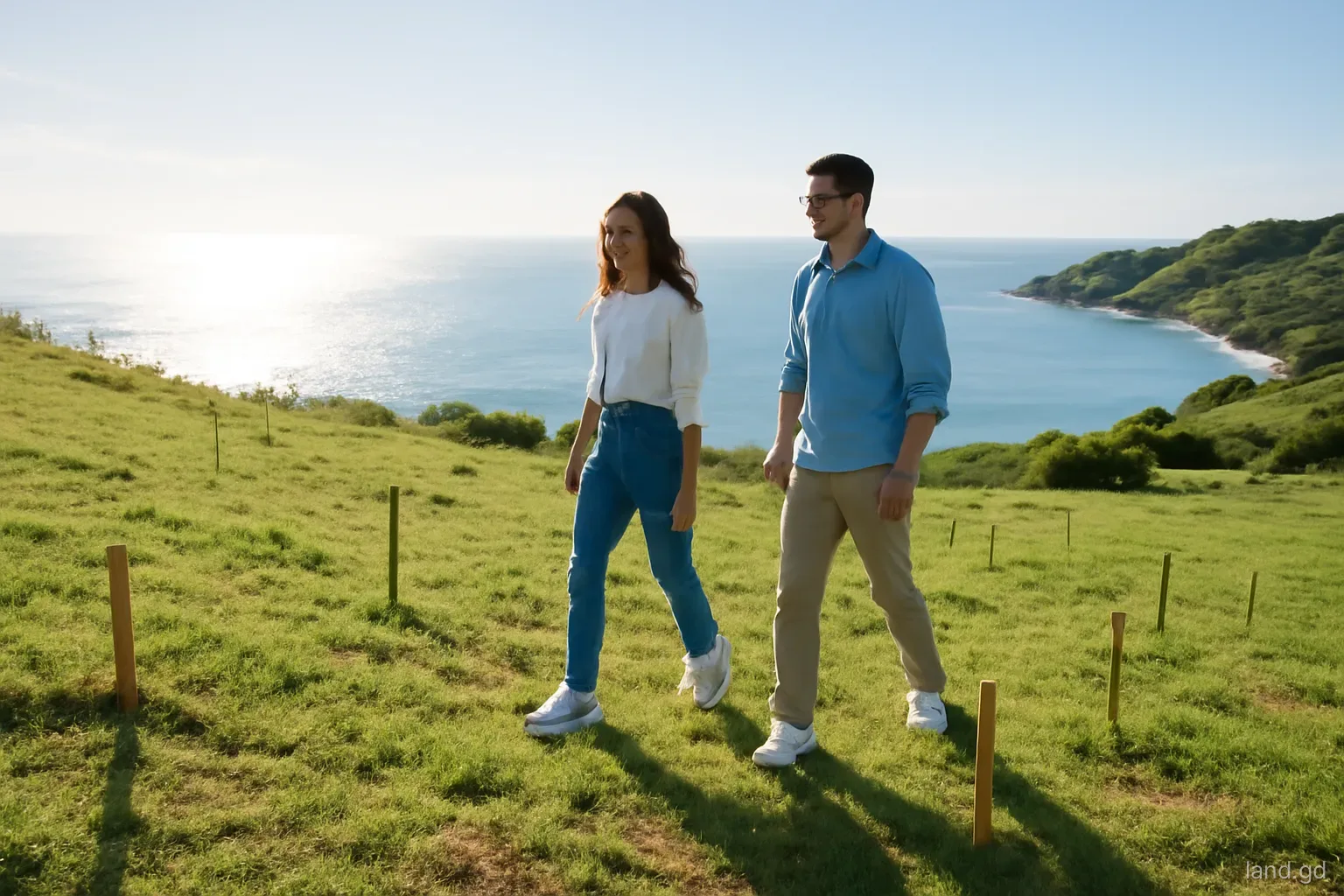
- Stand on the land and drive the access route in a normal car. If the last stretch is a rough track, ask who owns it and whether it is a public road.
- Ask the seller for a copy of the survey plan and the current deed. A seller who cannot produce either, or says they are "with the family", is telling you something about how long the sale will take.
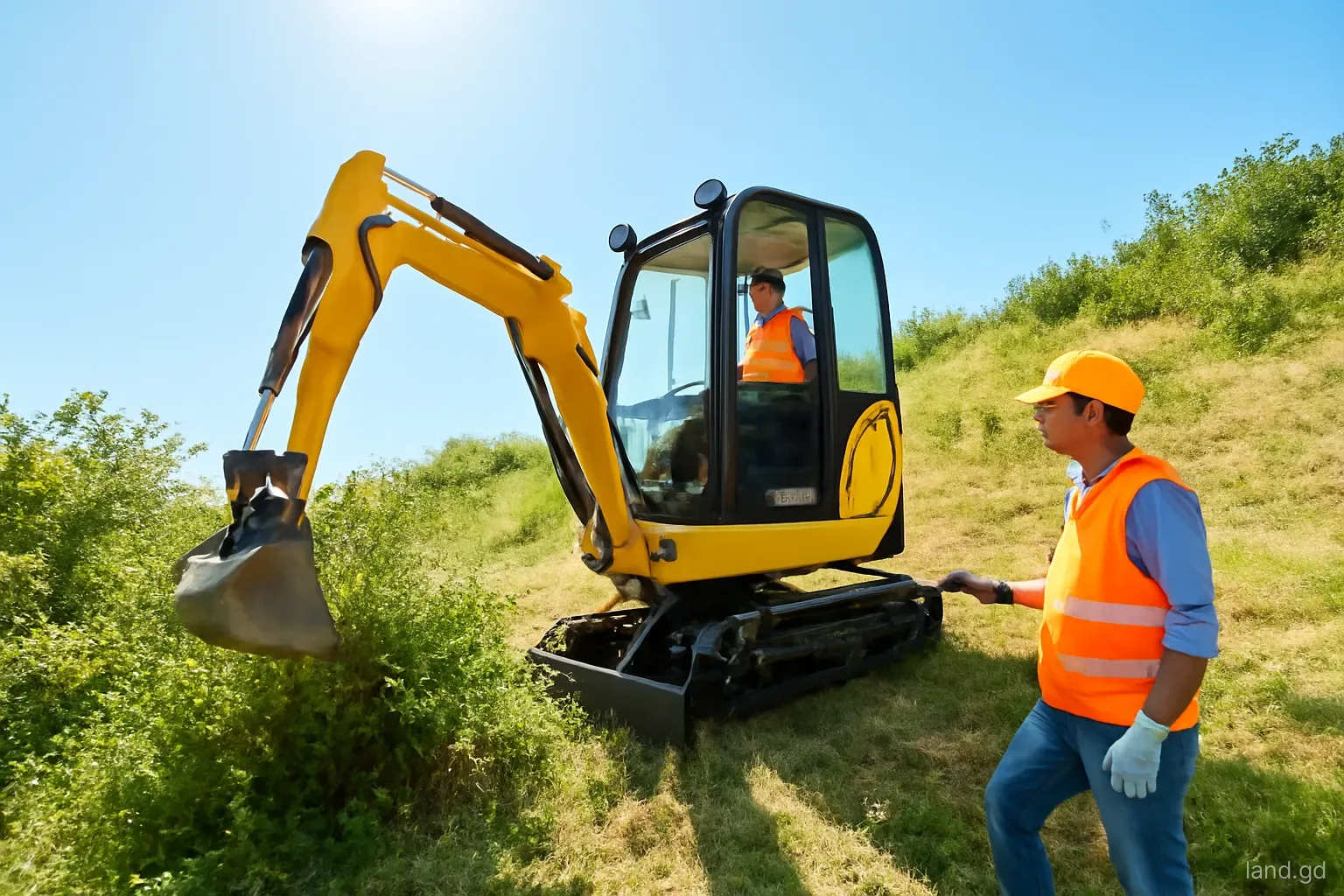
- Look at the slope honestly. Steep land is common in Grenada and building on it costs more in foundations, retaining walls and drainage.
- Check whether water mains and electricity poles run along the road. Bringing services a long distance is expensive.
- Visit after heavy rain if you can. Gullies, run-off paths and standing water show up quickly.
- Note the neighbours: farms, bars, workshops, quarries or a planned road can all affect how the land feels to live on.
- Ask locally whether the land has ever been disputed. People usually know.
Reading a listing like a local
Listing descriptions in Grenada follow certain habits worth decoding. Areas are given in square feet or acres; an acre is 43,560 square feet, and a typical village house lot might be anywhere from about 5,000 to 15,000 square feet. A "quarter acre" is roughly 10,890 square feet. Ask for the figure on the survey plan rather than the advert, because rounded numbers are common.
"Sea view" can mean a full panorama or a glimpse between trees that a neighbour may build in front of. "Close to the beach" is often measured as the crow flies, ignoring a steep descent with no path. "Road access" may mean a road shown on a plan but not yet built.
Prices in adverts aimed at foreign buyers are usually given in US dollars, while local sales are often discussed in Eastern Caribbean dollars at the fixed rate of EC$2.70 to US$1. Comparing land across the two markets on a per-square-foot basis, in one currency, is the quickest way to see whether an asking price is ambitious.
Mistakes that waste months
The commonest errors happen before any contract is signed. Buyers who avoid them save themselves the most frustration:
- Falling for a view before checking title. Emotional commitment makes it harder to walk away when the paperwork turns out to be incomplete.
- Paying a "holding deposit" directly to a seller or intermediary without a written agreement held by an attorney.
- Assuming that a plot shown on a subdivision plan has been approved. Ask whether the subdivision received planning approval and whether the lots were properly surveyed and registered.
- Overlooking the Alien Landholding Licence. Non-citizens need one for most purchases, and its cost and processing time should be part of the decision from the start.
- Using the seller's lawyer for both sides. Instruct your own Grenadian attorney.
- Not asking whether the land is subject to a mortgage, lease or right of way. These are discoverable through a search at the Deeds and Land Registry in St George's, but only if someone looks.
Working with agents and attorneys during the search
Agents in Grenada do not operate a shared multiple-listing system of the kind buyers from North America may expect, so the same plot can be offered by more than one agent, sometimes at different prices, while other plots are held exclusively. Registering your requirements with two or three agencies, rather than one, gives a wider view. Be clear about budget, minimum size, parish and whether you need a view, road frontage or flat ground.
Ask each agent directly whether the seller has an approved survey plan and a clear deed in their own name. Experienced agents will already know, and the answer saves you from shortlisting land that cannot be sold quickly. Ask also whether the listed price is negotiable and how long the plot has been on the market.
It helps to choose your Grenadian attorney early, even before you find a plot. An attorney who knows your plans can review a seller's documents within days of a viewing, tell you whether a title looks straightforward, and advise whether the Alien Landholding Licence will apply. That speed matters in the quieter market, where a good plot offered through word of mouth may go to whichever buyer is ready to sign first.
Frequently asked questions
Is it better to buy through an agent or directly from an owner?
An agent tends to bring plots with clearer paperwork and handles negotiation, but the commission is reflected in the price. A direct purchase can be cheaper, especially in rural parishes, but puts more weight on your own attorney's title checks. Either route works if the legal due diligence is thorough.
Can foreigners buy land anywhere in Grenada?
In principle, yes, subject to obtaining an Alien Landholding Licence for most purchases. Planning rules, coastal setbacks and protected-area boundaries limit what can be built on some land, so check those with the Physical Planning Unit and your attorney before committing to a particular plot.
How large is a typical house lot in Grenada?
Village lots are often between about 5,000 and 15,000 square feet, while subdivision lots aimed at foreign buyers can be larger. The size on the registered survey plan is what counts, so always confirm it there rather than relying on an advert.
Are land prices in Carriacou lower than on the mainland?
Prices vary widely by location on both islands, and a beachfront plot on Carriacou can be expensive. Inland and rural land is often cheaper than prime southern Grenada, but building costs on Carriacou are higher because most materials are shipped in. Compare total project cost, not just land price.
How long does it usually take to find the right plot?
There is no standard timeline, but serious buyers often spend several visits looking, particularly if they want to see the quieter market beyond listings. Spending time in the parish you prefer and letting agents and attorneys know your requirements tends to shorten the search.