
Many Grenadian parents prefer to pass land to their children while they are still alive rather than wait for a will to take effect. It lets them see a son or daughter build on a house spot, settle who gets which part without leaving arguments for later, and avoid probate on that land. The usual tool is a deed of gift, registered at the Deeds and Land Registry like any other transfer.
A lifetime gift is also final in a way a will is not. Once the land is transferred, it belongs to the child, with consequences for the parent's security, for the child's creditors and marriage, and for fairness between siblings. This page explains how deeds of gift work, the options for keeping some protection, what to check on cost and the pitfalls. A Grenadian attorney should prepare any deed of gift and advise on the tax position.
How a deed of gift works
A deed of gift transfers ownership from the giver to the recipient without payment. Like a sale, it must identify the land clearly, usually by reference to the existing title and a survey plan, and must be properly executed, typically before an attorney or other authorised witness, and registered at the Deeds and Land Registry.
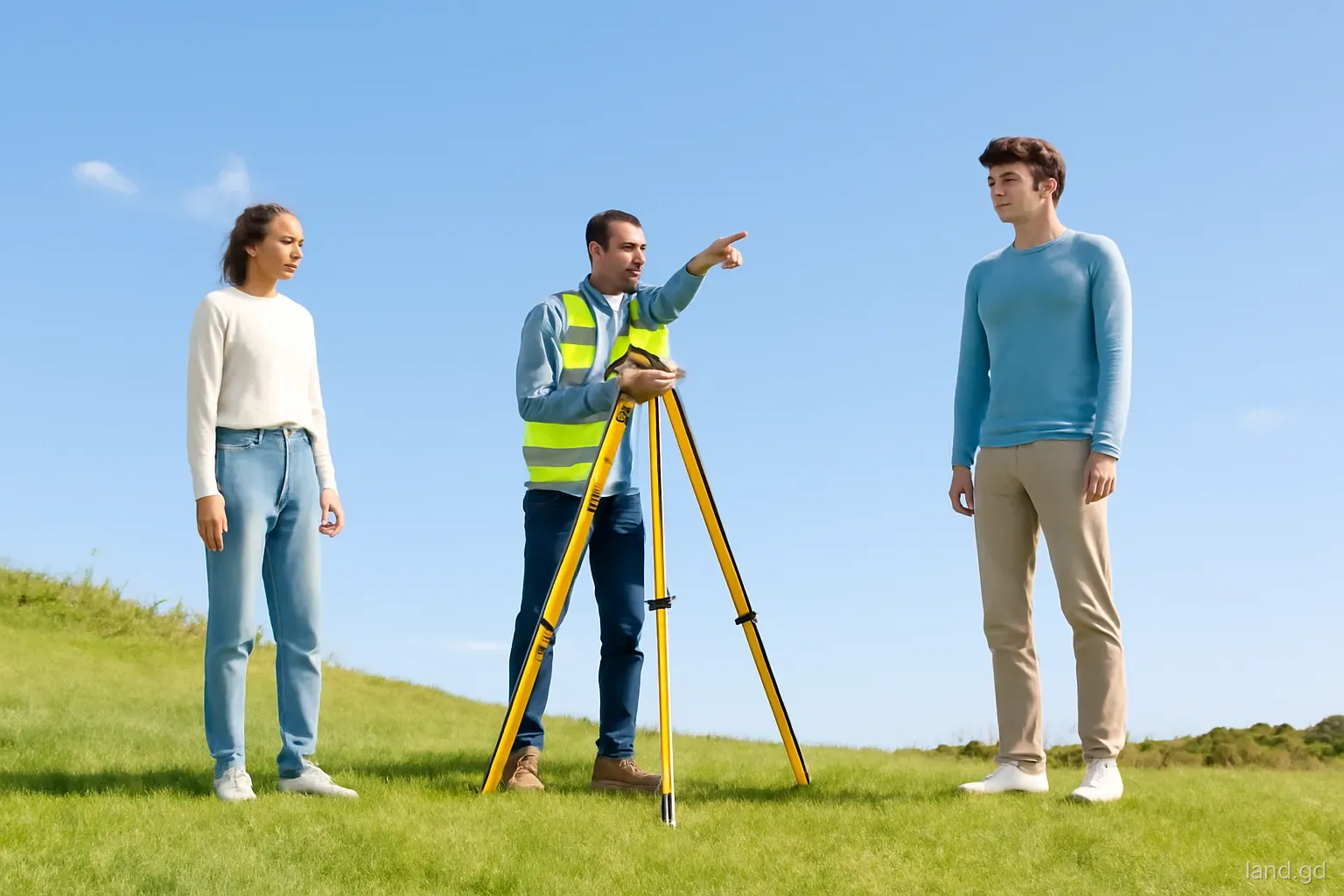
If only part of a parcel is being given, it must first be defined by a survey, and where the result creates a new lot, subdivision approval from the planning authority may be needed. Many gifts stall at this stage because parents assume they can give "the top part" of a field without a plan.
Once registered, the gift is generally irrevocable. The parent cannot simply take the land back because of a family quarrel or a change of heart. In limited circumstances, such as fraud, undue pressure or a lack of capacity, a gift can be challenged in court, but parents should treat a completed gift as permanent.
Reasons parents choose a lifetime gift
Helping a child build now. A child with land in their own name can apply for planning permission and, in many cases, a mortgage. Banks generally need the borrower to own the land outright.
Settling the division. Parents can decide who gets which part while they can explain their reasons and see the results.
Avoiding probate on that land. Land already transferred is no longer part of the parent's estate, so it does not need a grant to pass to the child.
Reducing family land problems. Clear gifts to individual children prevent the undivided co-ownership that follows intestacy.
Supporting a child who has cared for parents. A gift can recognise care or contributions in a way that is clear to everyone.
Where the parent's own title has problems, such as land still in a grandparent's name, those must be fixed before a gift can be made. A parent can only give what they legally own.
Keeping security: life interests and reserved rights
The main risk for a parent is giving away the home they still need. A common solution is to give the land while reserving a life interest, or a right to live in the property for life. The child becomes owner subject to the parent's right, and gains full control only on the parent's death. This combines certainty about who will inherit with security for the parent.
Another approach is to give only the part of the land the child needs to build on, keeping the parent's house and the rest. Where several children are involved, each can receive a defined lot at the time they need it.
Any reservation must be properly drafted and registered. A verbal promise that "you can stay in the house as long as you live" may be hard to enforce if the child sells, dies or falls out with the parent. Ask the attorney to include the right in the deed itself.
Costs and taxes to check before signing
A gift is not free simply because no price is paid. Before going ahead, ask the attorney to confirm:
- Whether stamp duty, property transfer tax or any similar charge applies to a gift between parent and child, and on what value.
- Whether a valuation will be required by the tax authorities to assess any duty.
- Registration fees at the Deeds and Land Registry.
- Survey and subdivision costs if only part of the parcel is being given.
- Attorney's fees for preparing and registering the deed.
- Any arrears of property tax that must be cleared first.
- Whether the recipient needs an Alien Landholding Licence because they are not a Grenadian citizen.
The answers vary with the value of the land, the relationship between giver and recipient and the law at the time of the transfer. Getting them in writing before the deed is signed avoids an unwelcome bill at the Registry, and lets the family decide who will pay the costs, which is often the child rather than the parent.
Risks parents and children overlook
Once land belongs to a child, it is exposed to the child's circumstances. If the child gets into debt, the land may be at risk from creditors. If the child marries and later divorces, the land may be considered in the division of matrimonial property. If the child dies before the parent without a will, the land passes to the child's own heirs, who may include a spouse the parent barely knows.
Fairness between siblings needs thought. A generous gift to one child during the parent's life, followed by a will dividing the rest equally, can leave others feeling short-changed. Parents can deal with this by making corresponding gifts or adjusting the will, and by explaining what they have done.
Capacity and pressure are sensitive. Gifts made by elderly parents to the child who looks after them are sometimes challenged by siblings who allege undue influence. Independent legal advice for the parent, and an attorney who sees the parent alone, reduce that risk.
Gifts to children who live abroad
Parents sometimes want to give land to a child living overseas, perhaps as a future retirement spot or a link to home. That is possible, but the practicalities differ. If the child is not a Grenadian citizen, for example because they were born abroad and have not registered as a citizen, they may need an Alien Landholding Licence to receive land. Many children of Grenadians are entitled to citizenship by descent, and registering it before the gift can avoid the licence question altogether.
An absent owner also faces the risks that come with distance: bush growing back, encroachment, squatting and unpaid tax. A child abroad who receives land should arrange for someone at home to keep an eye on it and should keep the property tax up to date.
Signing can be done remotely, with documents executed before a notary or consular officer abroad and returned for registration. Allow extra time for this and for any licence process.
Mistakes to avoid with deeds of gift
Giving the whole family home outright without reserving any right to live there is the most serious. Parents have been left insecure after a child sold, mortgaged or lost the property.
Informal gifts are the next problem. Telling a child to "build on the land, it's yours" without a deed leaves the child building on land still legally owned by the parent, and on the parent's death it may pass to all the heirs. That is a recipe for dispute.
Forgetting the will is another error. After gifts are made, the parent's will should be reviewed so that it does not try to leave land already given away and so that the overall result is what the parent intends. Finally, check the costs first: a gift that triggers an unexpected tax bill can sour the whole exercise. Take advice from a Grenadian attorney before signing.
Frequently asked questions
Can a parent take back land given by deed of gift?
Generally no. A registered deed of gift is normally final. It can be challenged only in limited circumstances such as fraud, undue influence or lack of capacity. Parents should treat a gift as permanent and reserve any rights they need in the deed.
Is tax payable when giving land to a child in Grenada?
Possibly. Stamp duty, transfer tax and registration fees may apply depending on the legislation and the relationship. The rules change, so ask a Grenadian attorney to confirm the current position and the cost before signing.
What is a life interest?
It is a right to use or live in property for the rest of a person's life. A parent can give land to a child while reserving a life interest, so the child becomes owner but the parent keeps the right to stay.
Is a deed of gift better than a will?
Each has advantages. A gift takes effect immediately and avoids probate on that land, but it is final and exposes the land to the child's circumstances. A will can be changed until death. Many parents use both together.
Does a child need a survey before receiving part of a parcel?
Yes. Part of a parcel must be defined by a survey plan before it can be transferred, and subdivision approval may be needed. Without a plan, the deed cannot identify the land with certainty.