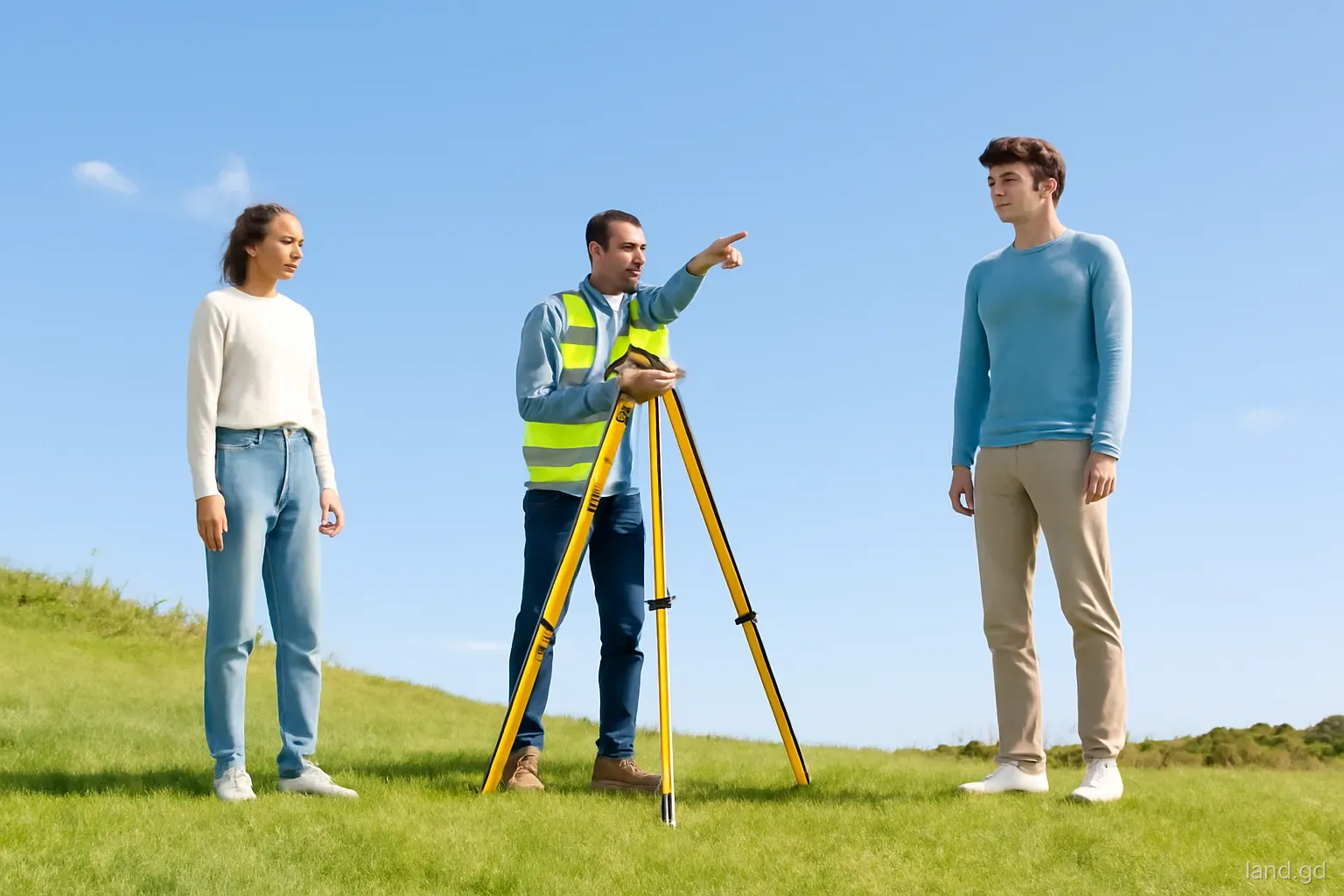

A large share of land in Grenada is still registered in the name of someone who died years or decades ago without a will. The house is lived in, the land is farmed, taxes may even be paid, but legally the estate has never been administered. When a grandchild wants to build, a cousin wants to sell or a bank asks for title, the family discovers that the law, not the late owner, decides who the heirs are, and that their number may have grown with every generation.
This page explains in general terms how land passes on intestacy in Grenada, how an administrator is appointed, what the family has to prove and why intestacy so often produces co-ownership. The shares each relative takes are fixed by statute and depend on who survives; the details change with the facts and the law in force at the date of death, so a Grenadian attorney should confirm the position for any particular estate.
What intestacy means
A person dies intestate when there is no valid will, or when a will exists but does not deal with some property. Grenada's legislation sets out who takes the estate in that case, ranking relatives in order of closeness. The usual pattern in English-derived systems is that a surviving spouse and children come first, sharing the estate according to fixed rules; if there are none, parents; then brothers and sisters and their children; and then more distant relatives. If no qualifying relative exists, the estate can pass to the State.
The law that applies is generally the law in force when the person died, not today's. For a grandparent who died in the 1970s, an attorney may need to look at older rules, which matters for questions such as the position of a spouse or of children born outside marriage.
Land owned jointly with someone else as joint tenants is different. It passes automatically to the surviving joint owner and does not fall into the intestate estate at all. Land held as tenants in common, by contrast, forms part of the estate.
Relatives whose position often needs checking
Spouses and partners. A legally married spouse has rights on intestacy. A long-term partner who was not married to the deceased is in a weaker position under intestacy rules and may need to rely on other legal routes, which an attorney can explain.
Children born outside marriage. Modern law across the Commonwealth Caribbean has moved towards treating children equally regardless of their parents' marital status. Whether and how that applies depends on the law at the date of death, so it should be checked.
Children who have died. Where a child of the deceased died before them leaving children of their own, those grandchildren may take their parent's share.
Adopted and step-children. Legally adopted children are generally treated as children of the adopting parent. Step-children who were never adopted usually are not heirs on intestacy.
Relatives abroad. Heirs living in the United States, Canada or the United Kingdom have the same rights as those at home. Their whereabouts must be traced, and they must be part of any later sale.
Family members are sometimes surprised to learn how a spouse and children share. The common assumption that "everything goes to the wife" or "the eldest son gets the house" does not reflect the statutory rules, which divide the estate according to formulas set by law rather than by family custom.
How an intestate estate is administered
Without a will there is no executor, so someone must ask the court to appoint an administrator. The process generally runs like this:
- The family agrees who should apply, usually a spouse or adult child with the strongest entitlement, and instructs a Grenadian attorney.
- Documents are gathered: the death certificate, proof of relationship such as birth and marriage certificates, and title deeds for the land.
- The attorney prepares an application to the High Court for letters of administration, with sworn evidence of the deceased's family and assets.
- Other relatives with an equal or better right to apply may need to consent or be notified.
- The court issues the grant, giving the administrator authority to deal with the estate.
- The administrator pays debts and expenses, then transfers the land to the heirs according to the statutory shares, or sells it if that is needed and lawful.
- The transfer document is registered at the Deeds and Land Registry so that the heirs appear on the record.
Why intestacy creates family land
When land passes to several heirs in shares, they usually become co-owners of the whole parcel, each with an undivided share, rather than owners of separate pieces. If none of them makes a will, each share passes again on their death to their own heirs. After two or three generations, a single acre can be owned in tiny fractions by dozens of people spread across the island and the diaspora.
That is the origin of much of what Grenadians call family land. It is not a separate legal category so much as the result of repeated intestacy and informal arrangements. It works as long as relationships are good and nobody needs a clear title. It breaks down when someone wants to sell, borrow or build in a way others dispute.
Administering an estate promptly after a death, and encouraging each heir to make a will, is the most effective way to stop the fractions multiplying.
Where the land is valuable or the heirs cannot agree on a division, the administrator may need to sell and share the proceeds instead. Heirs should be consulted before that happens, and an administrator who sells cheaply to a relative or friend without the others' agreement risks a claim against them.
Old estates: dealing with a death decades ago
Families often come to an attorney about a great-grandparent who died long ago, with several of the original heirs also now dead. These estates can still be administered, but it takes patience. The attorney may need to trace the chain of deaths, applying for grants in more than one estate in sequence, and to establish who the heirs were at each step.
Records can be patchy. Births, deaths and marriages may have gone unregistered or been registered under spellings that differ from later documents. Church records, sworn statements from older relatives and careful family trees fill gaps. The Registrar General's records and parish church registers are the usual starting points.
Expect the process to take longer and cost more than a recent estate. It is still usually the only way to give the present generation a title they can use, and it is worth doing while older relatives who remember the family history are alive.
Mistakes families make after a death without a will
Dividing the land informally among the children, with each building a house on a part, is common and understandable. It leaves everyone without a document showing which part is theirs. Years later, a sale or a dispute shows that legally every heir owns a share of the whole.
Allowing one relative to act as if they own everything, collecting rent or selling part, without a grant, causes serious trouble. Without letters of administration nobody has authority to sell estate land, and a buyer who pays such a person may lose both money and land.
Leaving overseas heirs out of discussions is another error. Their consent and signatures are usually needed later, and resentment from being excluded can stall a sale for years. Finally, waiting too long makes everything harder. Start the administration while the facts are fresh and take advice from a Grenadian attorney on the order of steps.
Diaspora heirs can play a useful part in this research. Relatives in the United States, Canada or the United Kingdom often hold family photographs, letters and certificates that were taken abroad decades ago, and these can settle questions about names and dates that local records cannot.
Frequently asked questions
Who inherits land in Grenada if there is no will?
The law sets an order: typically the surviving spouse and children first, then parents, then brothers and sisters, and then more distant relatives. Exact shares depend on who survives and the law at the date of death, so an attorney should confirm them.
What are letters of administration?
They are a grant from the High Court appointing someone to administer the estate of a person who died without a valid will. The administrator can then pay debts and transfer or sell land on behalf of the heirs.
Can one heir sell family land without the others?
Generally not the whole parcel. Without a grant and the participation of the other heirs, one relative cannot give a buyer good title. A buyer who pays one heir alone takes a serious risk of losing the land and the money.
Does a common-law partner inherit in Grenada?
Intestacy rules mainly protect legally married spouses. An unmarried partner's position is weaker and may depend on other legal routes, such as claims based on contribution. A Grenadian attorney can advise on the specific circumstances.
Is it too late to administer an estate from decades ago?
Usually not. Old estates can still be administered, though it may require grants in several linked estates and more research into family records. Starting while older relatives can give evidence makes the work easier.