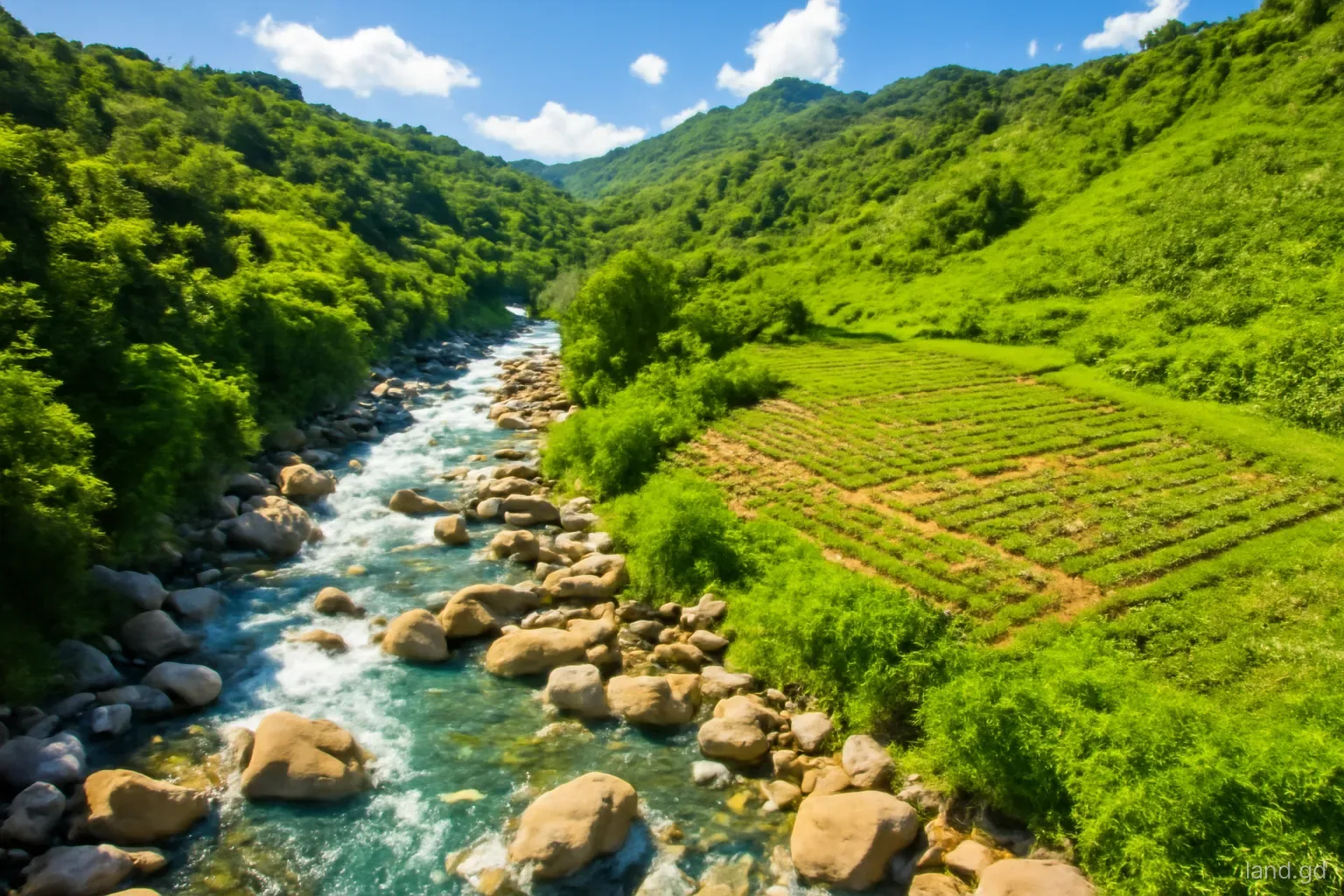
For generations, building in Grenada meant using what was close at hand: sand from the nearest beach, stones from the river, soil from the hillside. Many older houses were built that way. The consequences are visible today in beaches that have narrowed or disappeared, river banks that collapse in floods and coastal roads that the sea now reaches in storms. Grenada has moved firmly away from that practice, and removing beach sand is prohibited.
Landowners still run into the issue in quieter ways. A contractor offers cheap sand with no questions asked, a relative suggests taking stones from the river at the bottom of the family land, or someone wants to sell topsoil or fill from a plot being levelled. This page explains what is controlled, why, where lawful materials come from and what to check, so a building project does not end up on the wrong side of the law.
Why beach sand is off limits
A beach is a moving system. Sand shifts along the coast and between the beach and offshore bars with the seasons and storms. Remove a few truckloads and the beach loses its buffer; the next swell eats into the land behind it. In a country where tourism, fishing and coastal villages all depend on beaches, that loss is felt widely.
Grenada's beach protection legislation prohibits taking sand from beaches, and enforcement has tightened over the years as the damage became obvious. Beaches on the east coast and in Carriacou that were once mined still show the effects. Sand also matters for turtles, which nest only where there is enough depth of dry sand above the high-tide line.
There is a practical reason too. Beach sand is salty, and salt in concrete corrodes steel reinforcement. Buildings made with unwashed sea sand can suffer spalling concrete and rusting bars within years, which is expensive to repair and difficult to fix properly.
Coastal owners have the most to lose. A property that once had a wide beach in front can find the sea at its wall within a few years if sand is taken nearby, and no amount of engineering fully replaces a natural beach. That is why neighbours of mined beaches are often the strongest supporters of the ban.
Rivers, stone and gravel
River beds are controlled. Taking sand, gravel and boulders from rivers is regulated because it destabilises banks, deepens channels unevenly and undermines bridges and roads. Permission is needed, and it is not something a landowner can grant simply because the river runs past their land.
Ownership is not the test. Even where a river crosses private land, the bed and the water may be subject to public controls. Owning the bank does not mean owning the right to dig the channel.
Flood risk rises. Holes and piles left in a river change how water flows in a flood, sometimes pushing it onto neighbouring land or a village road.
Licensed sources exist. Quarries and suppliers operating with the necessary approvals provide crushed stone and aggregate for construction. Builders should be able to say where their materials come from.
Where lawful building materials come from
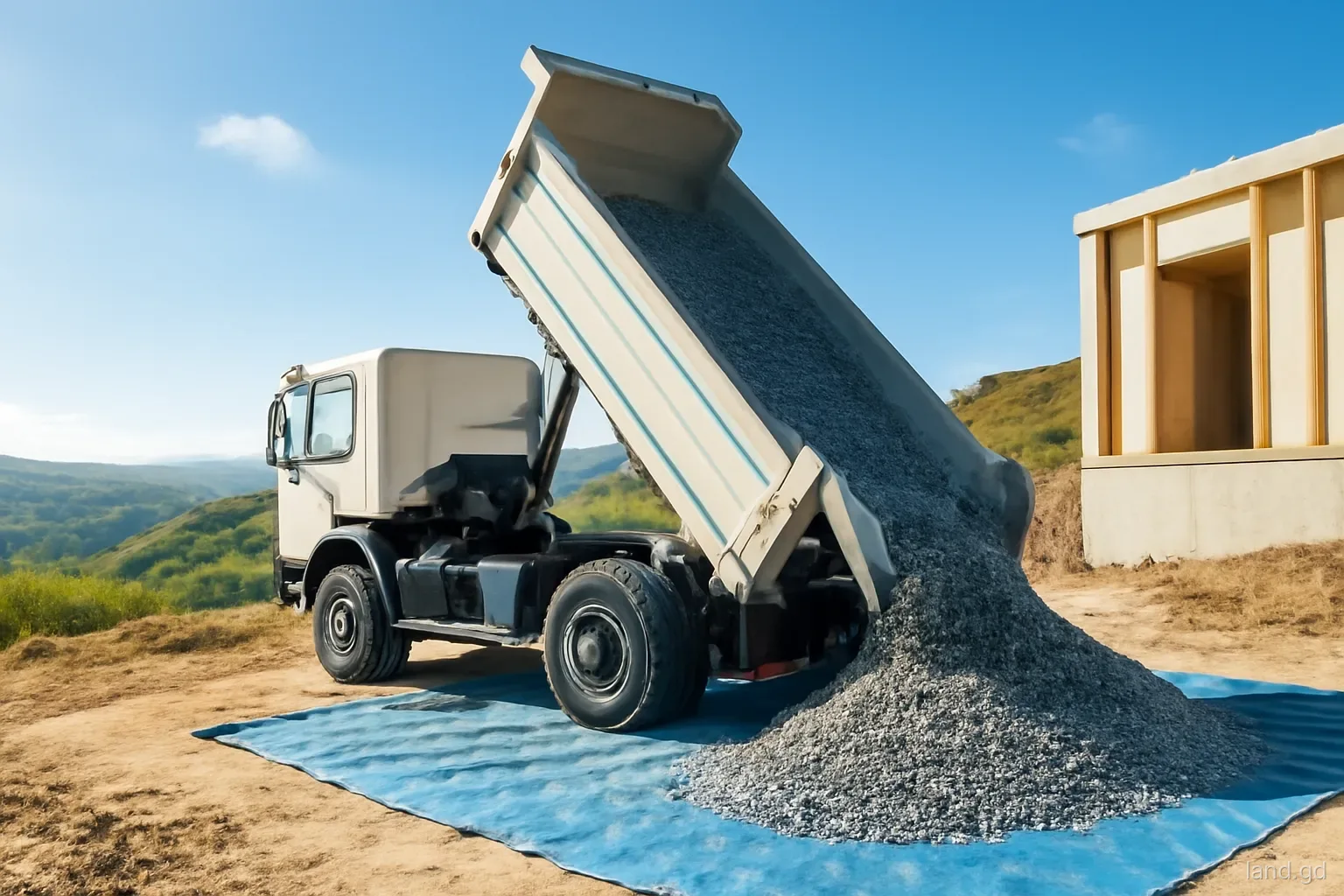
Construction sand in Grenada is largely produced by crushing rock at quarries or is imported. Imported sand and aggregate arrive by ship and are sold through building suppliers. Crushed stone, often called aggregate or "gravel", comes from licensed quarries on the island. Prices vary with fuel costs, shipping and demand, so get current quotes from suppliers rather than relying on old figures.
For buyers and owners managing a build, the safest course is to buy materials through established hardware and building suppliers, or to require the contractor to provide receipts that show the source. Cheap sand offered from the back of a truck with no paperwork is a warning sign, both legally and in terms of quality.
On Carriacou and Petite Martinique, materials are mostly shipped from the mainland or imported, which raises costs. Since Hurricane Beryl in 2024, demand for building materials on the sister islands has been high as homes are repaired and rebuilt, so check availability and delivery times before planning a project there.
Topsoil, fill and spoil from your own land
Moving soil around a plot is part of most building projects, but it raises its own questions:
- Levelling a building platform within the approved plans is normal; large cut-and-fill operations may need specific approval.
- Selling or carting away large volumes of soil or rock from a plot can look like quarrying and may require permission.
- Dumping fill on low land, gullies or wetlands is development and is likely to be refused near rivers, mangroves or the coast.
- Topsoil stripped for building should be stockpiled and reused for gardens rather than sold or wasted.
- Spoil must not be pushed onto roads, drains or neighbouring land.
- Imported fill should be clean; rubble mixed with rubbish causes settlement and drainage problems later.
If a neighbour or contractor proposes a large cut into a hillside, ask whether it has been approved and whether an engineer has looked at the stability of the slope that will remain. Unsupported cuts are a common cause of landslips onto houses and roads in the rainy season.
Reporting illegal extraction
Landowners are often the first to notice sand being taken from a beach at night, a truck loading gravel from a river bed, or a hillside being dug away without explanation. Illegal extraction can affect neighbouring land directly, by undermining a bank, blocking a drain or exposing a property to the sea.
Reports can be made to the police, to the Physical Planning Unit for unauthorised excavation, and to the ministry responsible for the environment or for lands and natural resources. Note the location, date and time and, if it is safe, the type of vehicle involved. Avoid confronting people directly; disputes over sand and stone can turn heated.
Community vigilance has helped reduce beach sand mining in Grenada, and many villages take pride in protecting their beach. Owners of coastal land have a strong interest in that effort, since their own frontage depends on the sand staying where it is.
What the rules mean for your building contract
Write the materials standard into the contract. Specify that sand and aggregate must be from approved sources and suitable for structural concrete, and that the contractor will supply receipts or delivery notes. An engineer or architect inspecting the work can check deliveries against that standard.
Ask about washing and grading. Even legally sourced sand varies in quality, and concrete mixed with dirty or poorly graded material is weaker. Good builders know this; it does no harm to ask.
Keep records. If questions arise later, from a bank, an insurer or a buyer's surveyor, receipts and photographs showing deliveries from suppliers help demonstrate that the building was put up properly. They also protect you if a contractor is accused of using illegal sand on your site.
Mistakes that cause legal or structural trouble
The first is accepting cheap materials without asking where they came from. The owner of the site can be drawn into enforcement action if illegally taken sand is found in stockpiles, and the building may suffer for years from salty concrete.
The second is digging in a river on family land because "everybody did it". Attitudes and enforcement have changed, and damage to banks or a bridge can lead to liability.
The third is quietly selling soil or rock from a plot to raise money. What starts as a few loads can become an unauthorised quarry in the eyes of the authorities, with consequences for planning and for neighbours affected by dust, noise and drainage. If you are unsure whether an activity is allowed, ask the Physical Planning Unit or the relevant ministry, and take advice from a Grenadian attorney where enforcement or liability is a possibility.
Frequently asked questions
Is it illegal to take sand from beaches in Grenada?
Yes, removing sand from beaches is prohibited under Grenada's beach protection legislation. The ban protects beaches from erosion, supports turtle nesting and keeps salty sand out of construction. Penalties can apply to those taking sand and to those using it.
Can you take stones from a river on your own land?
Not freely. Removing sand, gravel or boulders from rivers is controlled because it damages banks, bridges and flood behaviour. Owning the riverbank does not give an automatic right to extract material, so ask the authorities first.
Where does construction sand in Grenada come from?
Mostly from crushing rock at licensed quarries or from imported sand shipped in and sold through building suppliers. Buying from established suppliers with receipts is the safest way to ensure materials are both legal and suitable.
Why is beach sand bad for concrete?
Beach sand carries salt that corrodes steel reinforcement, leading to cracking and spalling concrete. Its rounded grains can also make weaker concrete. Properly washed and graded sand from approved sources is the standard for structural work.
Can you sell topsoil from your land?
Small amounts reused within a project are normal, but selling or removing large volumes can look like quarrying and may need permission. Check with the Physical Planning Unit before agreeing to sell soil or rock from a plot.