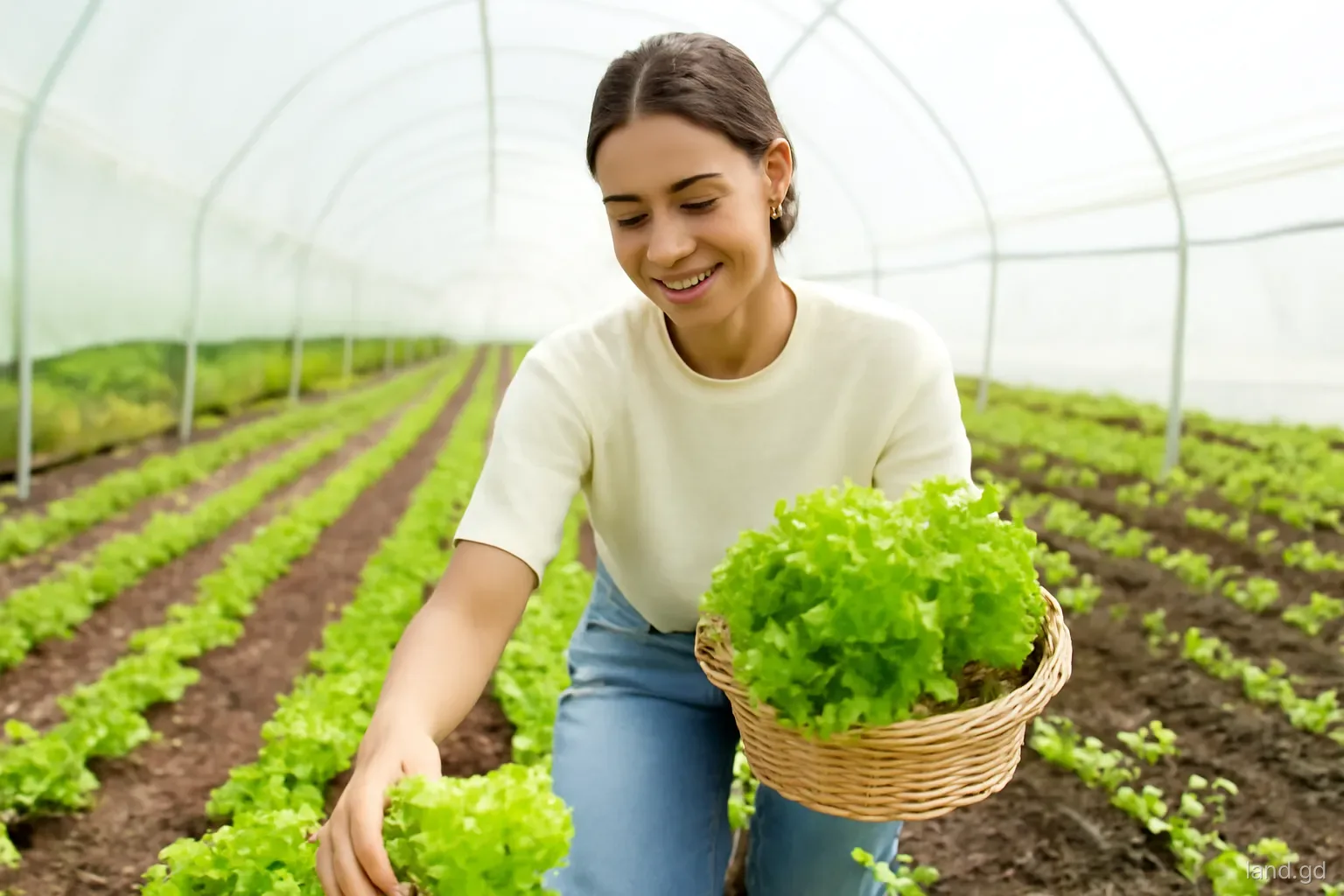
Vegetables are where many new Grenadian farms start, because they pay within weeks rather than years. Tomatoes, sweet peppers, cabbage, lettuce, cucumbers, seasoning peppers, chives, thyme, christophene and callaloo are in steady demand from households, supermarkets, hotels and restaurants, and a well-run acre can produce a real income.
The catch is that vegetables are also the most demanding enterprise on the land. They need water, close attention to pests, good timing and reliable buyers. Prices swing sharply between gluts, when everyone harvests at once in the rainy season, and shortages, when the dry months cut supply. Growers who plan around those swings do far better than those who plant whatever the neighbours are planting. This guide covers timing, crops, protected growing, seed choice, pests and selling.
Seasons and timing
The calendar shapes everything. During the rainy season, roughly June to December, water is plentiful but fungal and bacterial diseases flourish, heavy rain damages leafy crops and fields can become too wet to work. Many small farmers plant in this period anyway, which is why prices for common vegetables often fall.
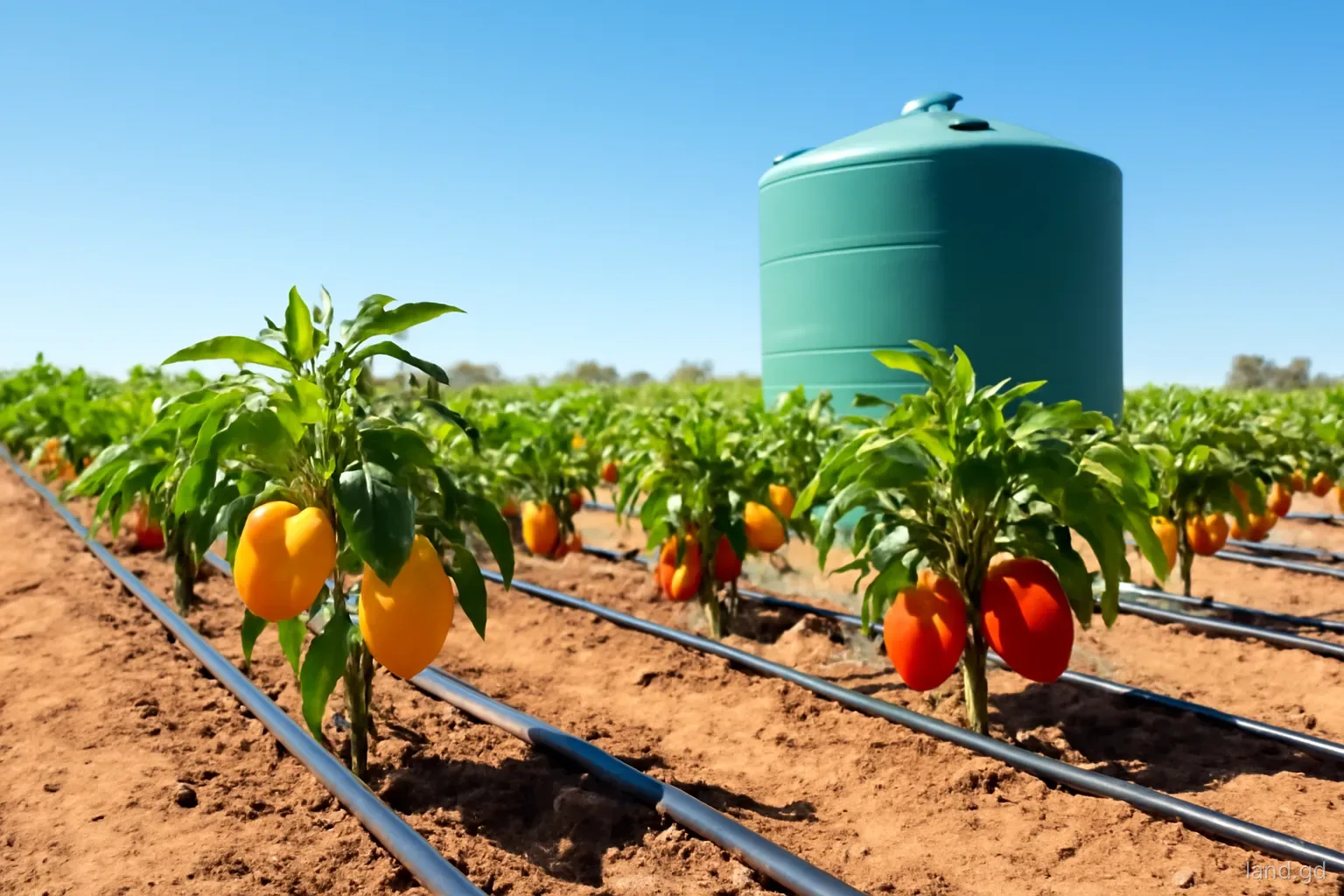
In the dry season, roughly January to May, diseases ease and fruit quality can be excellent, but crops need irrigation. Supply tends to drop, especially for tomatoes and leafy greens, and prices rise. A farm with water storage can earn its best returns in these months.
Holidays and events also move demand. Restaurants and hotels buy more in the winter tourist season and around Carnival in August, and households cook more around Christmas and Easter, when seasoning, herbs, sorrel and ground provisions are in demand. Growers who time a planting to land in those weeks often get noticeably better prices than those who harvest at random.
Hurricane season, officially June to November, adds risk to field crops and structures. Short crops such as lettuce or herbs lose less if a storm hits than long-season crops do. Some growers deliberately stagger plantings every few weeks so that a single bad event never destroys everything, and so that they always have something to sell.
What tends to do well
Seasoning peppers, hot peppers and sweet peppers. Staples of Grenadian cooking with year-round demand. Peppers tolerate heat well and suit the dry season with irrigation.
Tomatoes. Popular and profitable, but sensitive to rain, wilt diseases and pests. Many growers favour the dry season or a covered structure.
Cabbage and lettuce. In demand from supermarkets and hotels. Lettuce grows fast and does well under shade netting; cabbage is attacked by caterpillars and needs vigilance.
Cucumbers, pumpkin and squash. Vigorous and relatively easy, though pumpkin takes space and cucumbers suffer from mildew in wet weather.
Herbs: chive, thyme, celery, parsley, chadon beni. Small areas can earn steady money, since every kitchen uses them. Bundled herbs sell readily in markets.
Callaloo, okra and bodi beans. Robust local favourites that cope with heat and sell well locally.
Shade houses and protected growing
Shade houses, simple frames covered with insect netting or shade cloth, and greenhouses with plastic roofs have spread across Grenada over recent decades, often supported by government and foreign technical assistance programmes. They protect crops from heavy rain, strong sun and many insect pests, allowing more consistent production, particularly of lettuce, sweet peppers, tomatoes and herbs.
They are not a cure-all. Structures cost money to build, need maintenance, and can become too hot under some coverings. Pests that do get inside may multiply quickly without natural enemies. Hurricanes can rip coverings and twist frames; many growers remove the netting when a storm is forecast and rebuild afterwards. Hurricane Ivan and Hurricane Beryl both destroyed numbers of structures.
Before investing, ask the Ministry of Agriculture about recommended designs, coverings and any support available, and visit farmers already using them in a similar location. A modest structure managed well usually outperforms a large one managed badly.
Seeds, seedlings and varieties
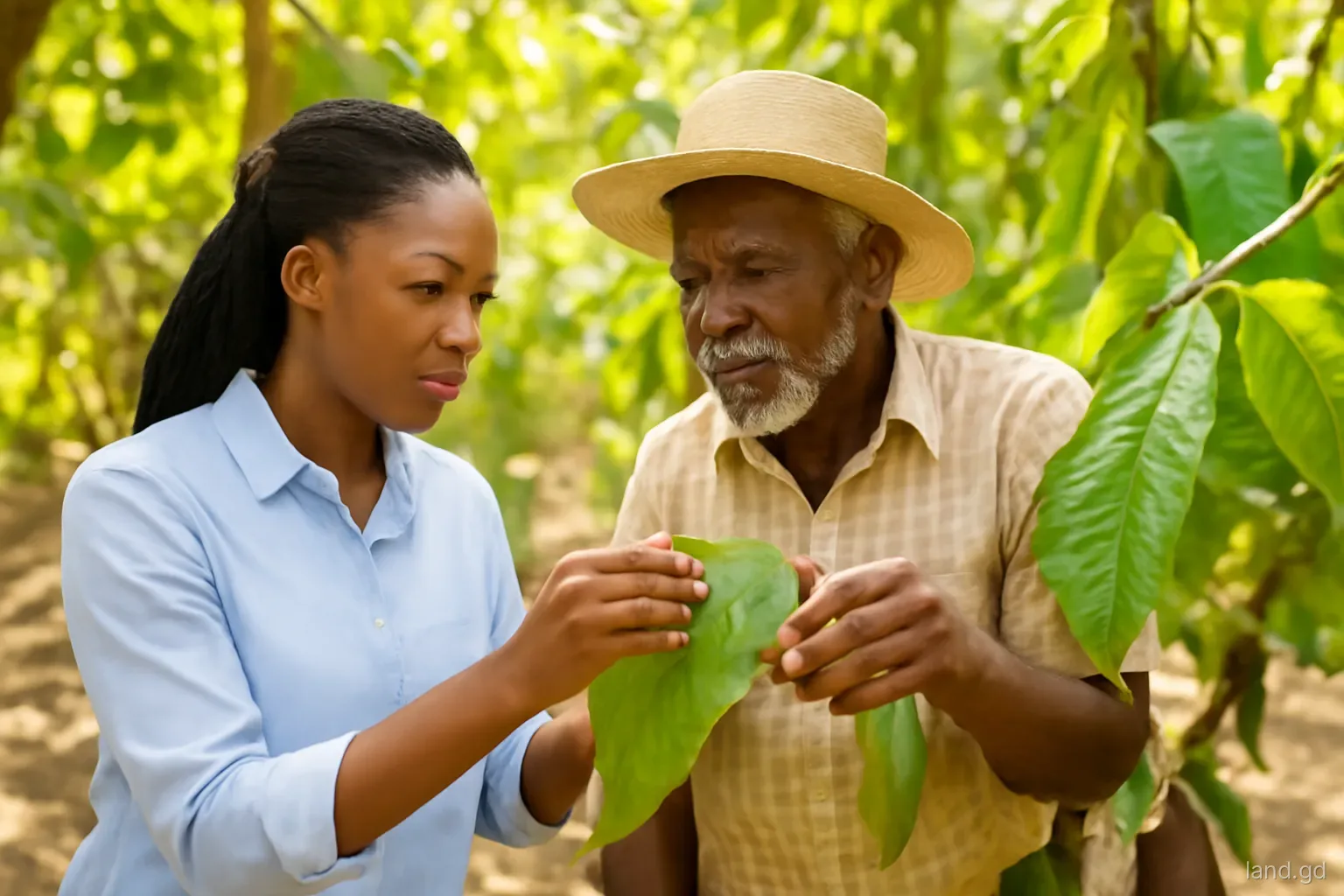
Variety choice is one of the cheapest ways to improve results. Many vegetable varieties sold internationally were bred for temperate summers and struggle with Grenada's heat, humidity and diseases. Heat-tolerant and disease-resistant varieties, including those recommended through regional research by CARDI and trialled by the Ministry of Agriculture, generally perform better. Ask an extension officer and experienced growers which ones work in your area.
Raising your own seedlings in trays under shade gives control over timing and health. Use clean growing media rather than garden soil, which can carry disease, and harden seedlings off in brighter light for a few days before transplanting. Buying seedlings from a propagation station or reputable nursery saves time but check that plants are sturdy, pest-free and not root-bound.
Saving seed works for some open-pollinated local crops such as seasoning peppers, pumpkin, okra and some beans. Hybrid varieties do not come true from saved seed. Imported seed should come through suppliers who meet plant-quarantine rules; bringing seed packets in a suitcase without checking can introduce pests and is regulated.
Pests and diseases to expect
Vegetable growers in Grenada should expect to deal with some of the following. Identification and current control advice are best obtained from extension officers, since recommended products, approved chemicals and approaches change, and misuse of pesticides harms both the crop's buyers and the grower:
- Caterpillars on cabbage and other brassicas, including the diamondback moth, which quickly develops resistance to overused insecticides.
- Whiteflies, aphids and thrips, which damage plants and spread viruses in peppers and tomatoes.
- Bacterial wilt and fungal diseases in tomatoes, worse in wet weather and on land where tomatoes were grown recently.
- Mildews on cucumbers and squash in humid conditions.
- Root-knot nematodes in heavily cropped soils.
- Birds, rats and stray animals, plus theft of ripe produce from unguarded fields.
- Mites on peppers and other crops in hot, dry weather, often noticed only when leaves curl and bronze.
Setting up a first vegetable plot
For a new grower with a small plot, a sensible start looks like this:
- Pick a sunny, reasonably level area close to water and to the house, where you can check on it daily.
- Clear without burning, loosen the soil and add plenty of well-rotted manure or compost.
- Raise seedlings in trays under shade, or buy healthy seedlings from a reputable nursery or propagation station.
- Plant a few crops you can sell, rather than many crops in small amounts.
- Install drip lines and mulch before the dry season.
- Scout for pests at least twice a week and act early, starting with physical methods such as hand-picking and netting.
- Keep simple records of planting dates, costs, yields and prices, so the next season can be planned better.
Finding buyers before you harvest
Selling is where many small vegetable farms struggle. The main outlets are public markets, including Market Square in St George's and markets in towns such as Grenville and Gouyave, roadside stalls, supermarkets, hotels and restaurants, and the Marketing and National Importing Board, the MNIB, a state body that buys and sells local produce.
Supermarkets and hotels want consistent quantities and quality on a regular schedule. A farmer who can supply a set amount of lettuce every week is more valuable to them than one with a large one-off harvest. Talking to buyers before planting, and agreeing roughly what they will take, reduces the risk of a glut.
Market selling earns better prices per pound but takes time. Many farmers sell through a vendor or family member. Whatever the route, clean, well-presented produce sells faster and for more.
Keep the produce cool between harvest and sale. Harvesting leafy crops early in the morning, keeping them in shade and moving them quickly makes a visible difference to how they look by the time they reach a stall or a hotel kitchen, and buyers notice which farmers deliver produce that lasts.
Frequently asked questions
What vegetables grow best in Grenada?
Peppers of all kinds, okra, callaloo, pumpkin, cucumbers, herbs such as chive and thyme, and many beans grow well. Tomatoes, lettuce and cabbage are popular and profitable but need more care, either in the dry season with irrigation or under shade structures. Local extension officers can advise on varieties.
Is it worth building a shade house?
For lettuce, sweet peppers, tomatoes and herbs, a well-designed shade house can improve quality and reliability, especially in the rainy season. It costs money and needs upkeep, and storms can damage it. Visit growers using similar structures and ask the Ministry of Agriculture about recommended designs first.
Where do small farmers sell vegetables in Grenada?
Common outlets are public markets, roadside stands, supermarkets, hotels, restaurants and the Marketing and National Importing Board. Larger buyers want steady supply and consistent quality, so many farmers stagger plantings and agree quantities in advance. Market selling pays more per pound but takes time.
Why do vegetable prices change so much?
Many farmers plant at the same time, especially in the rainy season, so markets are flooded with the same crops and prices fall. In the dry months supply drops and prices rise. Planning plantings to harvest when supply is short is one of the most effective ways to improve income.
Where can farmers get seeds and seedlings?
Agricultural supply stores sell seeds, trays and growing media, and the Ministry of Agriculture's propagation stations and private nurseries sell seedlings and plants. Ask an extension officer which varieties perform best locally, since some imported varieties struggle with heat and disease.