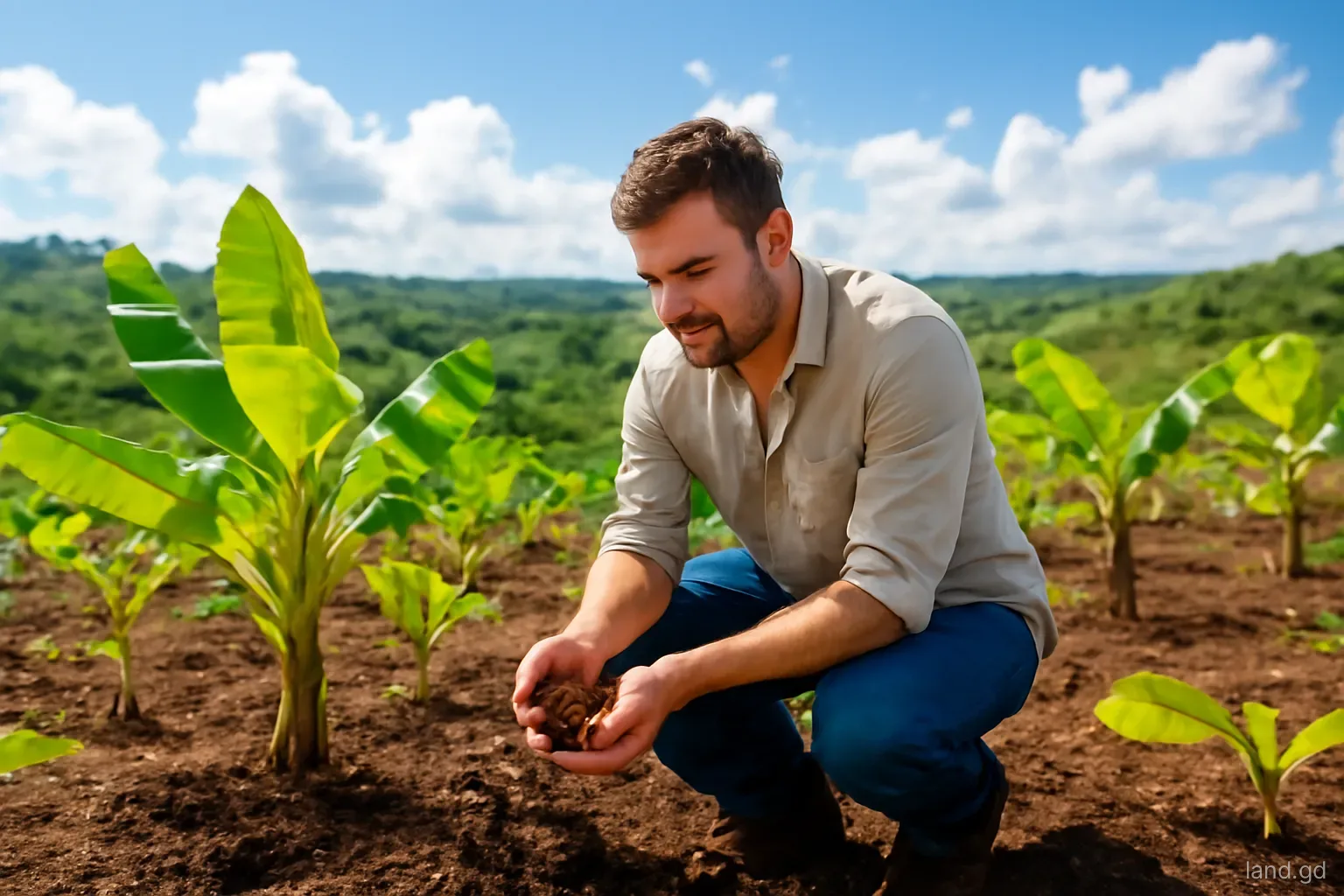
The checks for any land purchase in Grenada are the same at the start: a clean title, an approved survey, an attorney's search at the Deeds and Land Registry and, for non-citizens, an Alien Landholding Licence. A farm buyer needs all of that and then a second layer of questions that never troubles someone buying a house lot in a subdivision.
Will this soil grow what you have in mind? Where will water come from in April? Are the nutmeg trees on the land productive, or old and hollow? Can a pick-up reach the field after a week of rain? Who will watch the crop when you are not there? These questions decide whether the land earns anything at all.
This checklist is for buyers of agricultural parcels, from a couple of acres of old estate land to a larger farm, and assumes the general legal checks are already in hand.
Start with what you want to grow
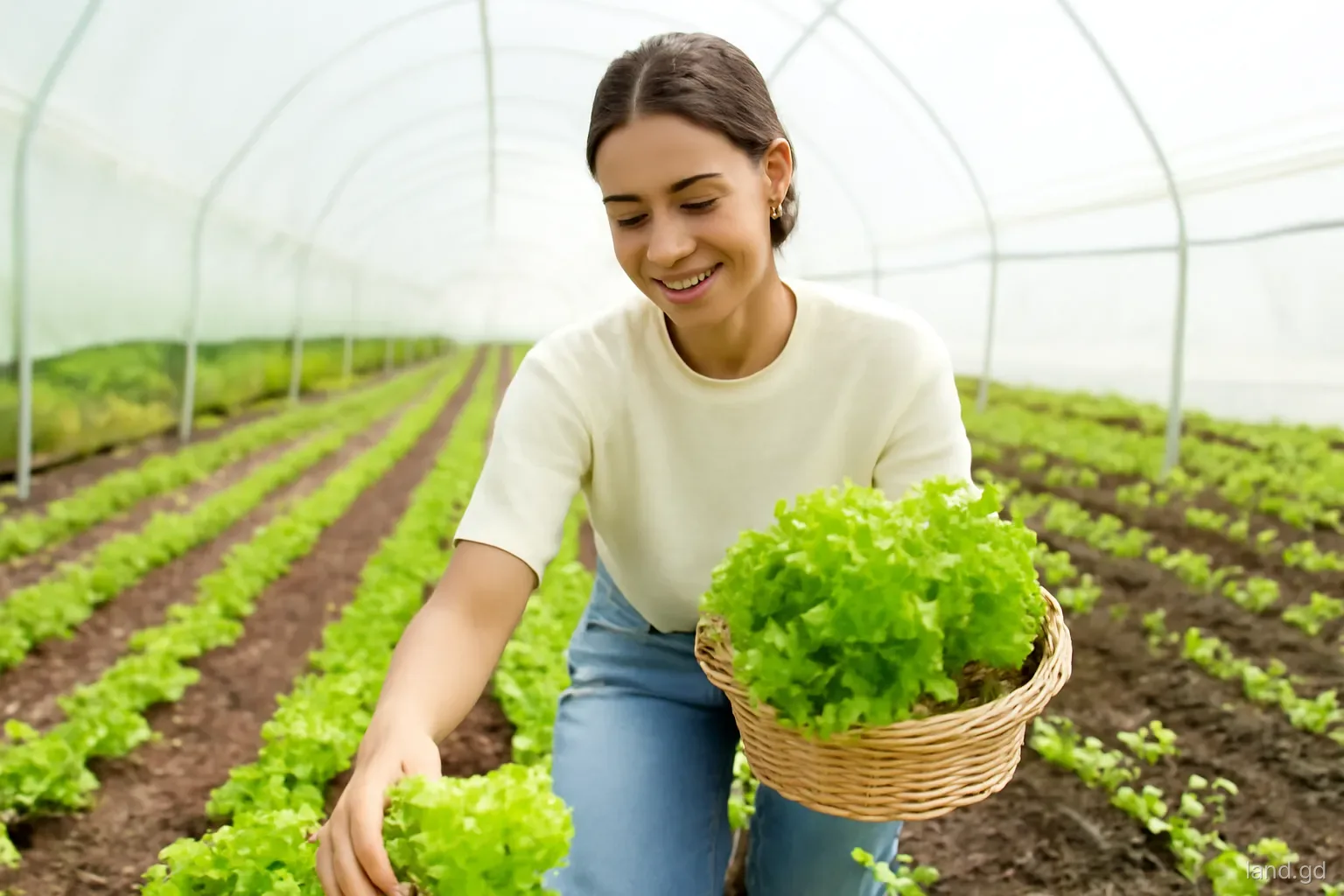
Land that is excellent for one enterprise can be poor for another. A wet, shaded valley in St John may suit cocoa and nutmeg beautifully and be miserable for tomatoes. A flat, sunny parcel in the drier south of St George or St David may be ideal for vegetables with irrigation and useless for tree crops that need year-round moisture. Carriacou land generally suits livestock and drought-tolerant crops rather than spices.
Write down the two or three enterprises you are seriously considering and the conditions each needs: rainfall, slope, soil depth, water for irrigation, distance to market. Then judge every parcel against that list rather than against the view or the asking price.
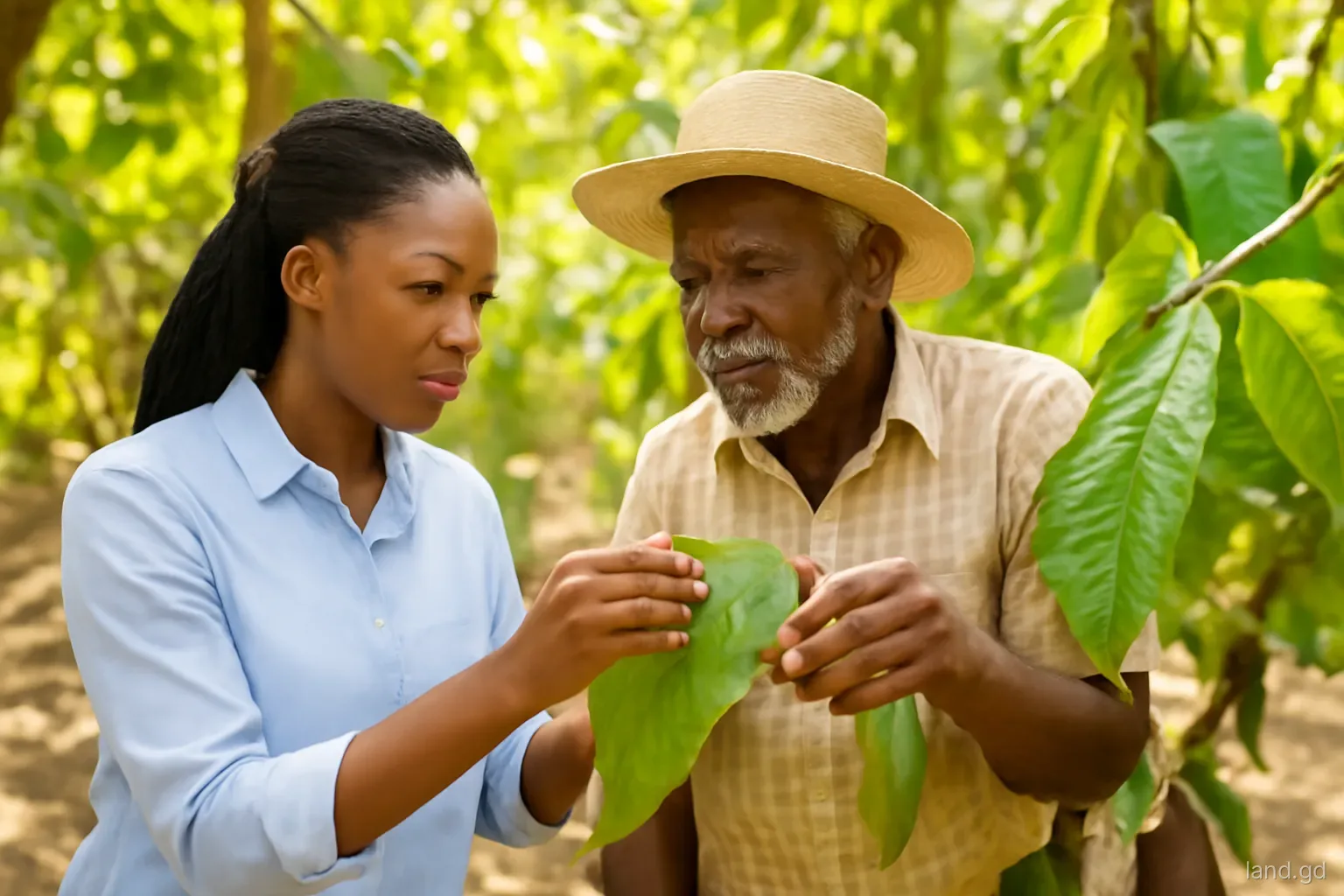
Talk to an extension officer from the Ministry of Agriculture for the district before committing. They know local rainfall, soils, pests and which crops do well in that area, and they can often tell you which farms nearby are productive. Neighbours who farm are a second source of honest information; ask what grows well, what fails, and how much water lasts through the dry season.
Reading the land itself
Soil depth and colour. Dig a few holes in different parts of the parcel. Deep, dark, crumbly soil with plenty of roots is a good sign. Shallow soil over rock, hard compacted clay or pale, gravelly material limits what will grow.
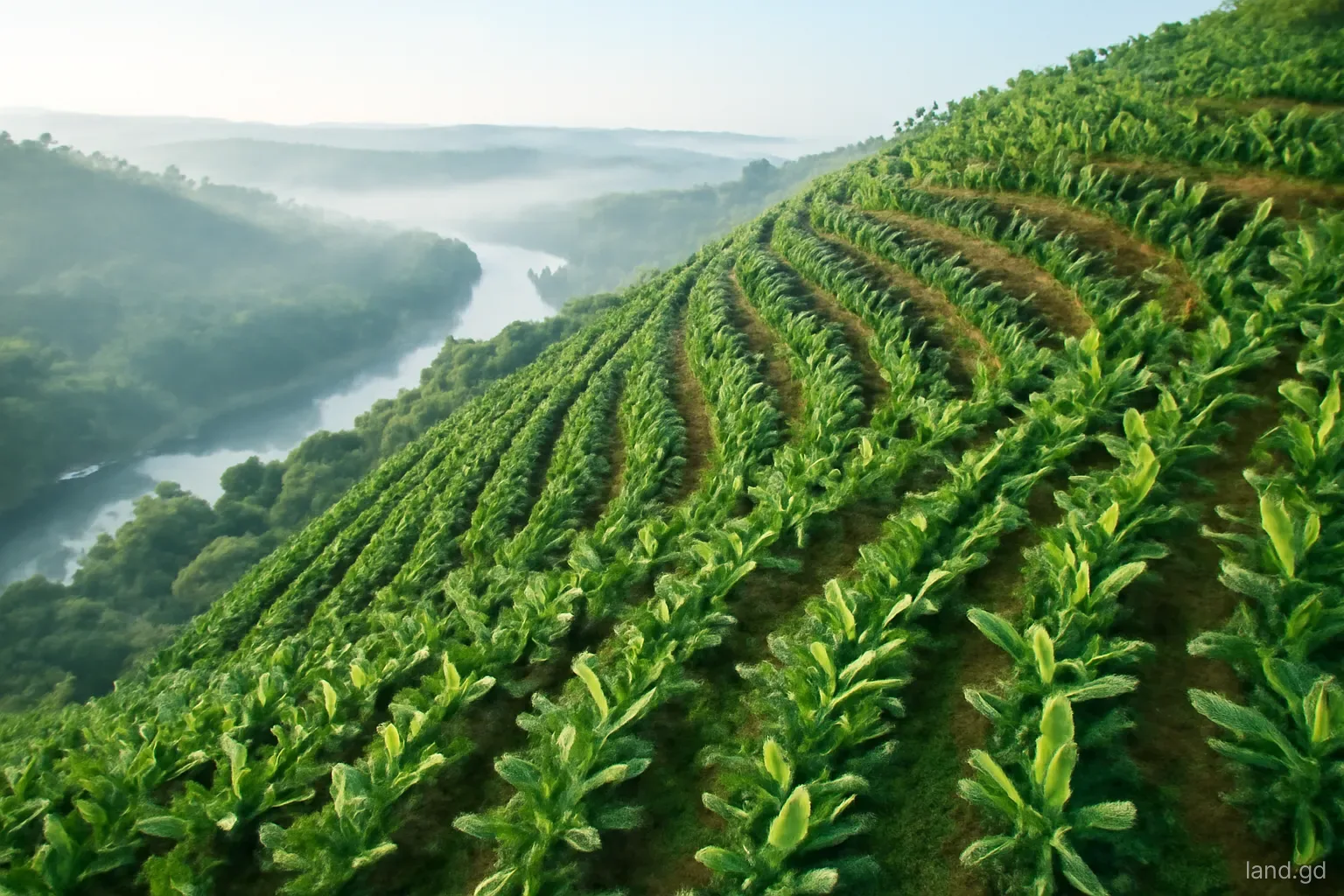
Slope. Much Grenadian farmland is steep. Moderate slopes can be farmed with contour planting, but very steep land is hard to work, erodes when cleared and is better left in permanent tree crops or forest.
Drainage. Look for wet patches, sedges and reeds, which mark waterlogging. Visit after heavy rain if you can, to see where run-off goes.
What is already growing. Healthy weeds, vigorous bush and big trees indicate fertility. Thin grass and bare patches suggest poor or eroded soil.
Aspect and exposure. Slopes facing the prevailing easterly winds are more exposed in storms. Sheltered valleys protect brittle tree crops such as nutmeg.
Valuing existing tree crops
Many farms for sale already carry nutmeg, cocoa, mango, citrus, breadfruit, avocado or banana. Sellers often price these generously. A buyer needs to know whether the trees are an asset or a clearing job.
Walk the whole parcel, not just the field by the road, and count roughly how many productive trees there are. For nutmeg, find out how many trees are female and bearing; a block of tall old males produces nothing. For cocoa, look at pod load and signs of disease. Ask the seller for any records of deliveries to the nutmeg or cocoa associations, which give a rough picture of past output.
Remember that many fields were damaged by Hurricane Ivan in 2004 and by later storms, and some were abandoned for years afterwards. A field that has been neglected may still be revived, but pruning, clearing and replanting cost labour and time, which belong in your price calculation. If a crop is on the land under an informal arrangement with a neighbour or relative who harvests it, find out before purchase, not after.
Water, access and services
Farming fails more often on water and access than on soil. Before buying, establish each of the following:
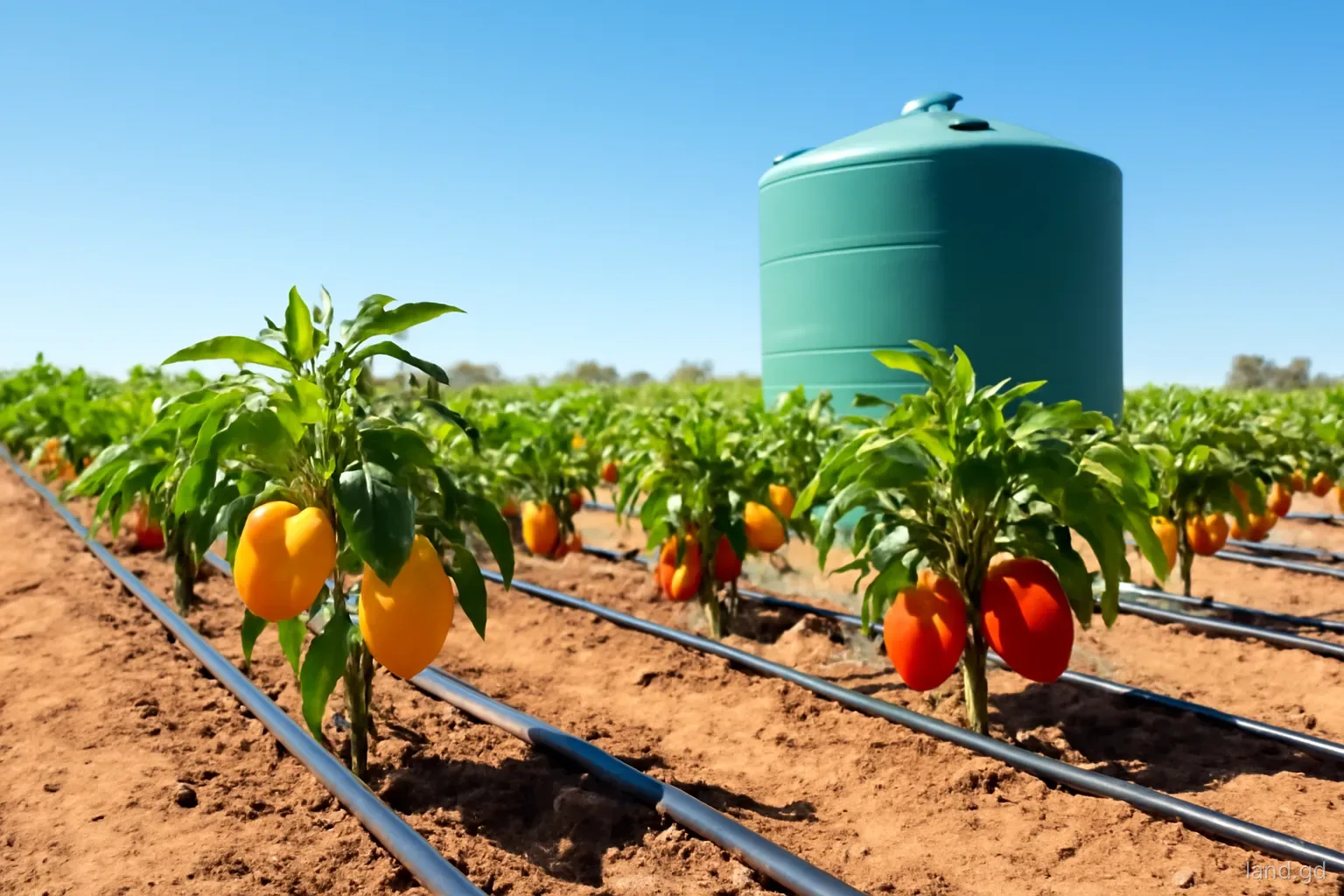
- Whether the parcel has a reliable source for irrigation: a stream, spring, pond site or room for rainwater storage. Ask the Ministry of Agriculture and your attorney whether taking water from a river or stream needs permission.
- Whether there is a piped water supply from NAWASA on the road, and whether agricultural use is acceptable for the planned volumes.
- How long the dry season bites in that area, roughly January to May on most of the island, and longer in the south and in Carriacou.
- Whether a vehicle can reach the fields year-round, or only in the dry months.
- Whether the access track is a public road, a registered right of way or simply a path used with a neighbour's goodwill.
- Distance to markets, the nearest packing or receiving station, and suppliers of inputs.
- Whether electricity is close enough for a pump, a cold room or a drying shed.
Security and the question of theft
Praedial larceny, the theft of crops and livestock, is a long-standing complaint among Grenadian farmers and one that buyers from overseas often underestimate. Produce such as nutmeg, cocoa, bananas, ground provisions and small livestock can disappear from remote fields, especially when the owner is known to be absent.
A farm with a house on it, or close to occupied homes and neighbours who know the owner, is easier to protect than an isolated parcel at the end of a track. Fencing helps against animals more than people. Many owners rely on a resident caretaker or a trusted local farmer who works the land on shares. Keeping records of what you harvest and sell, and reporting theft to the police, supports any later action and helps the wider effort against praedial larceny.
Ask neighbours plainly whether theft is a problem in the area. Their answer is one of the most useful pieces of information you will get.
Costing the first years honestly
A farm purchase price is only the first bill. Before signing, work out what it will cost to bring the land into production and to carry it until it pays. Clearing overgrown land by hand or with a small machine, building or repairing an access track, installing water storage, fencing against goats and stray cattle, buying planting material and paying labour all add up quickly.
Tree crops have the longest gap between spending and income. Nutmeg can take many years to bear meaningfully and cocoa several, so most new farms rely on short-term crops such as vegetables, bananas, plantains and root crops for early cash. Livestock can contribute too, though animals need daily attention and secure pens.
If you plan to borrow, talk to the Grenada Development Bank or a commercial bank early about what they lend for agriculture and what security they require. Many lenders want a clear title, a written plan and evidence of farming experience. Figures change, so ask for current terms rather than relying on what others paid years ago.
A farm-buyer's order of work
Combining the legal and agricultural checks in the right order saves money:
- Shortlist parcels that suit your chosen crops, using the field checks above.
- Ask your attorney to look at the title and survey before you pay for anything else.
- Bring an extension officer or an experienced local farmer to walk the land.
- Check water sources, access rights and any existing crop arrangements.
- Confirm with the Physical Planning Unit whether a farm house, storage shed or animal pens would be permitted, and whether any part lies in a protected or forest area.
- Negotiate a price that reflects the real condition of tree crops and the cost of rehabilitation.
- Complete the purchase through your attorney, including the Alien Landholding Licence if you are not a citizen.
Frequently asked questions
Is agricultural land cheaper than house lots in Grenada?
Generally, yes, on a per-square-foot basis, especially in rural parishes and on larger parcels away from main roads. But prices vary widely with location, access and views, and land near growing villages may be priced for its building potential rather than its farming value. Compare like with like before negotiating.
Can a foreigner buy farmland in Grenada?
Non-citizens can buy agricultural land, subject to an Alien Landholding Licence for most purchases. Applications for bare or agricultural land may be scrutinised for how the land will be used, so a clear farming plan helps. Confirm current requirements with your attorney and the relevant government office.
How can a buyer find out what soil a parcel has?
Start by digging test holes and looking at depth, colour and structure. For more detail, the Ministry of Agriculture can advise on soil testing and on the soil types typical of the district. Local farmers also know which areas have deep productive soil and which are shallow or heavy clay.
Is land with old nutmeg or cocoa trees worth buying?
Existing trees can shorten the wait for income considerably, but only if they are productive. Count bearing trees, check health and ask for past delivery records. Neglected fields can often be revived, but price in the labour and time for pruning, clearing and replanting gaps.
Does farming need planning permission?
Ordinary cultivation generally does not need planning approval, but building a house, store, animal pens or other structures does, and clearing forest or land near protected areas may be restricted. Check with the Physical Planning Unit and the Forestry Department before clearing or building.