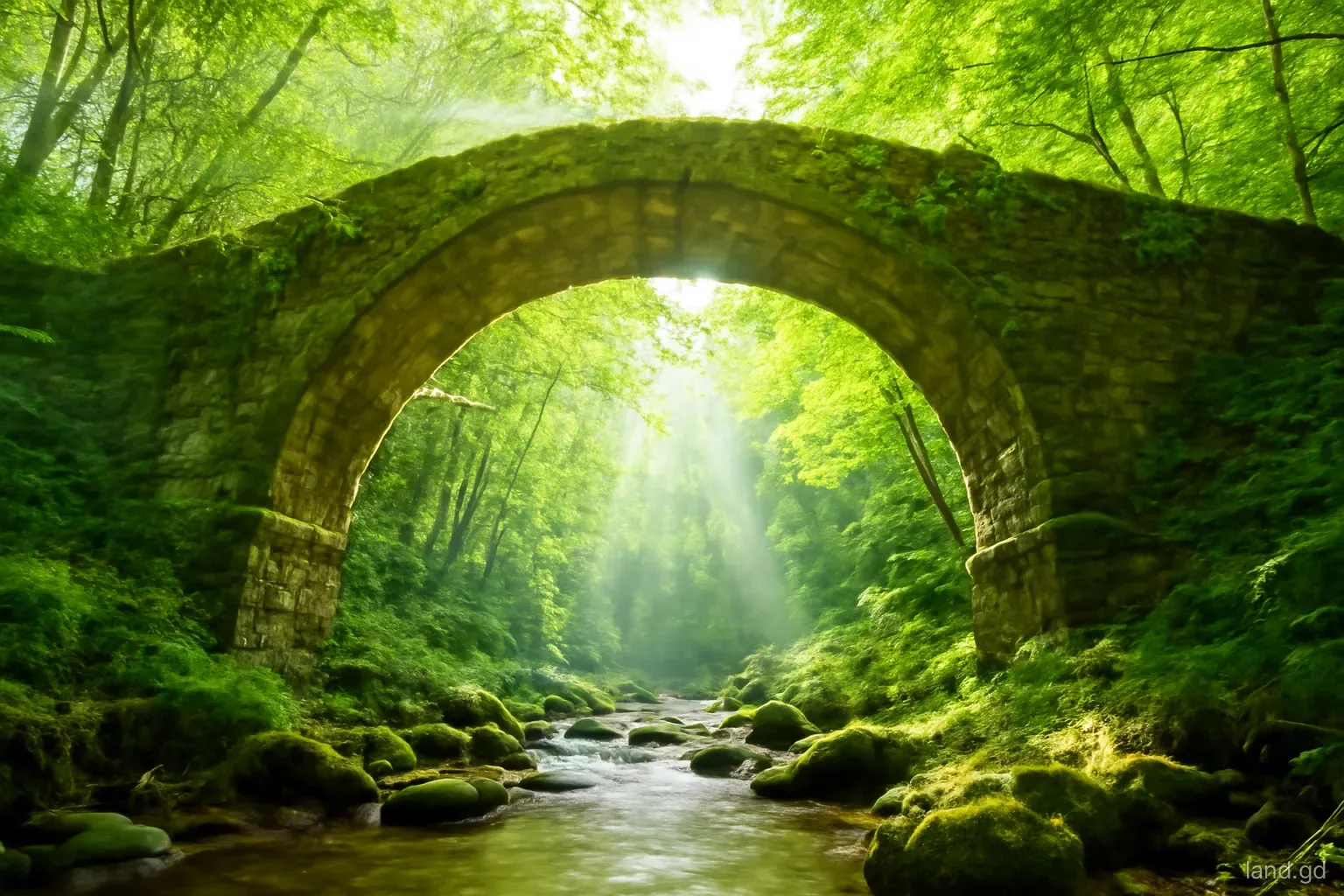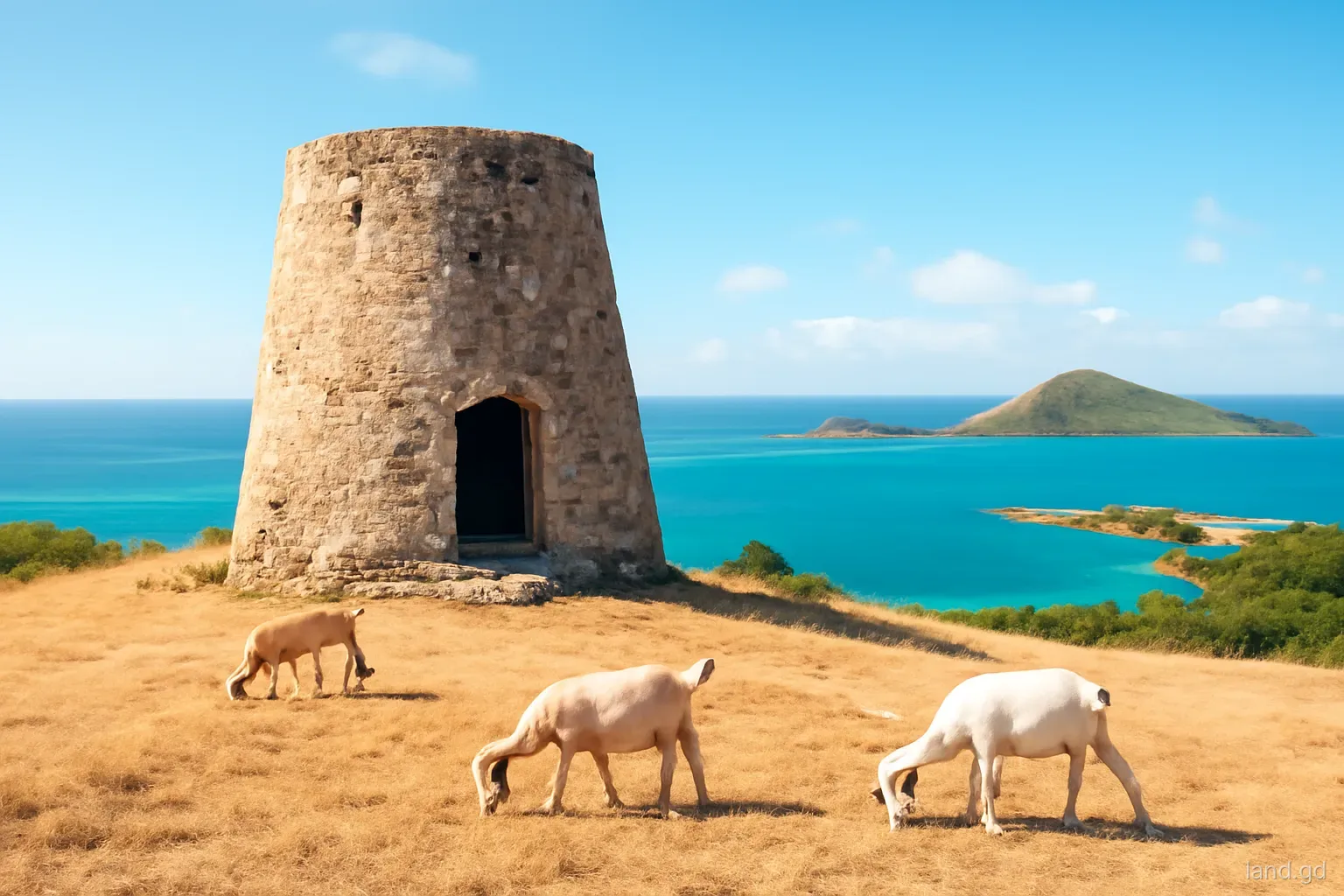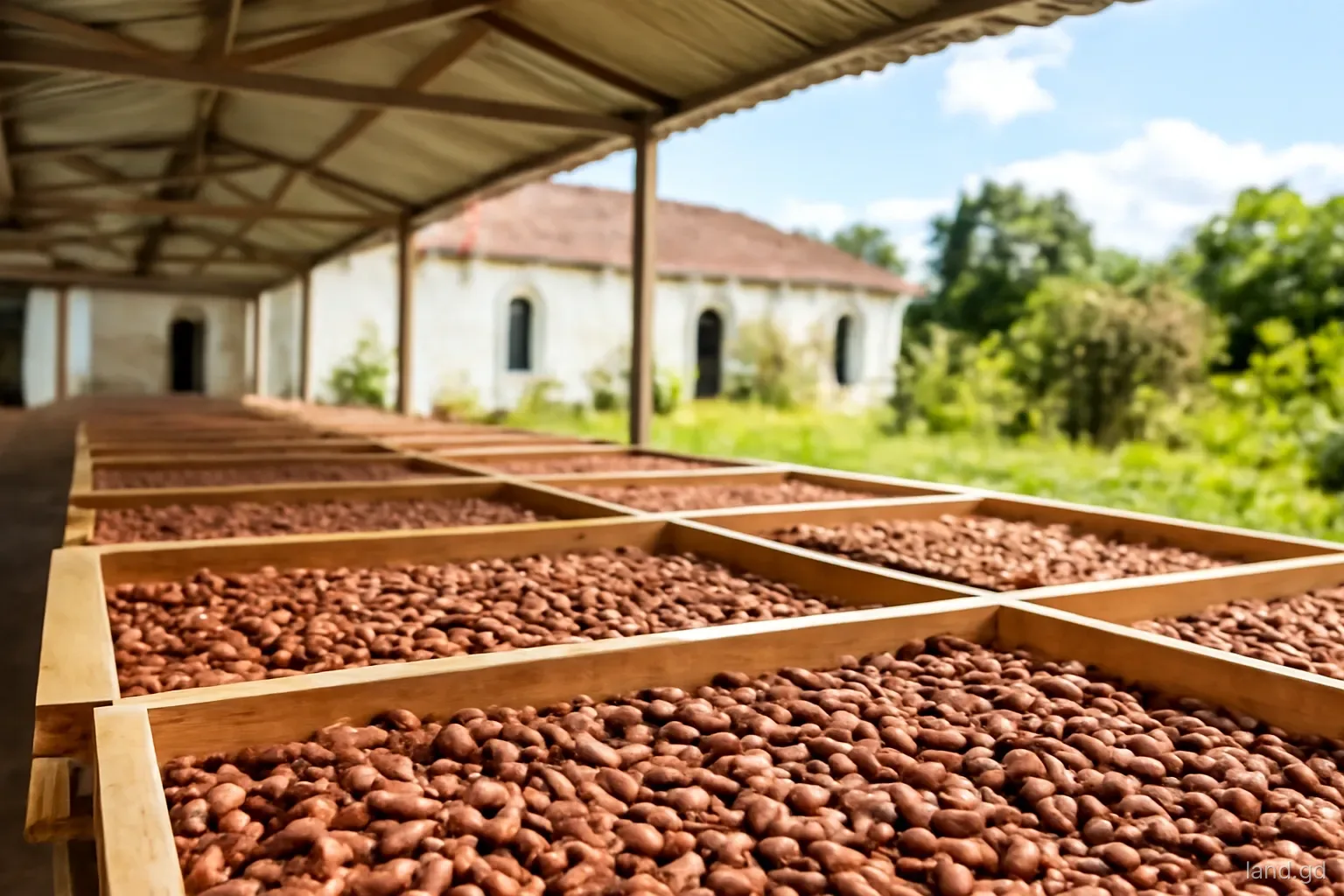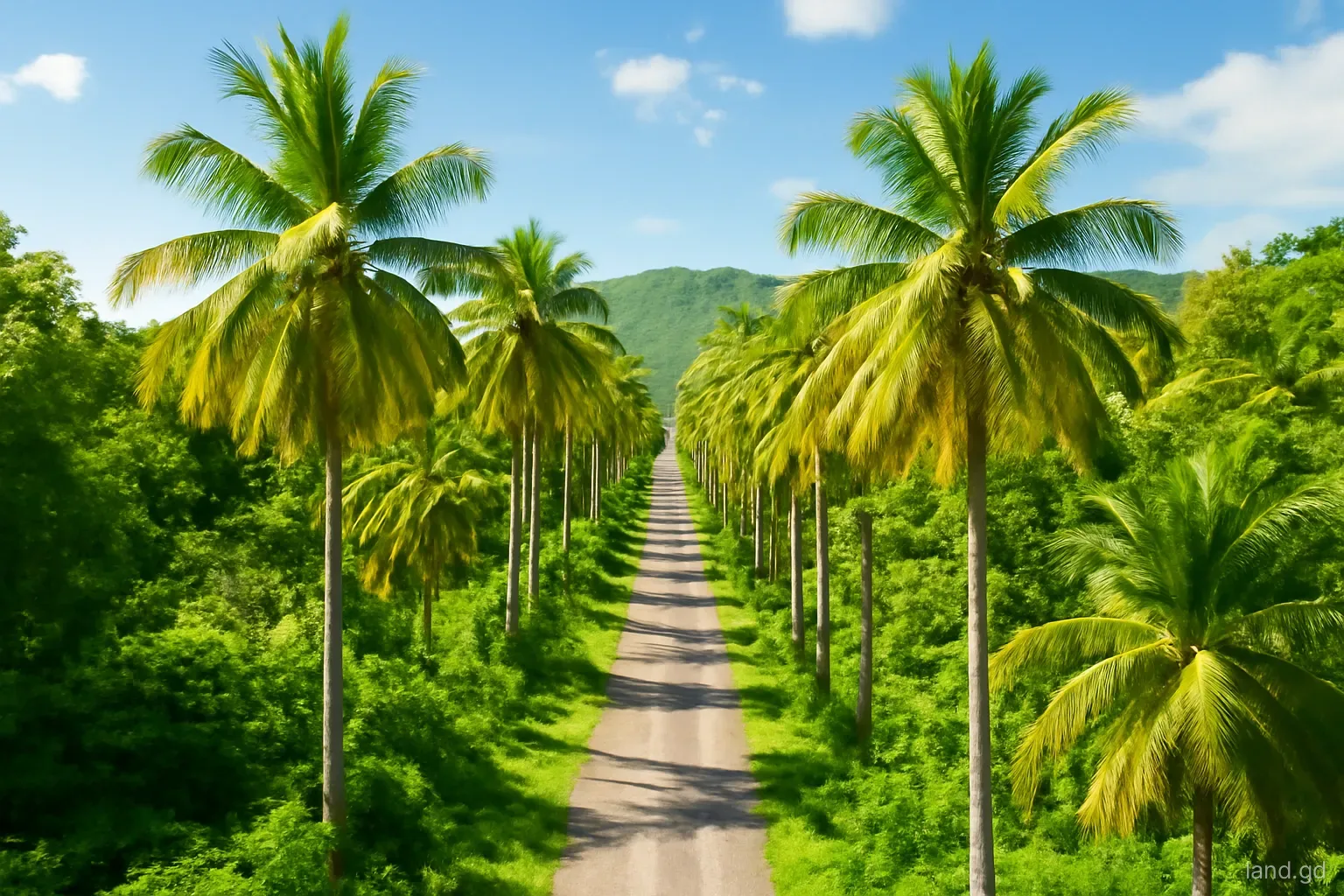
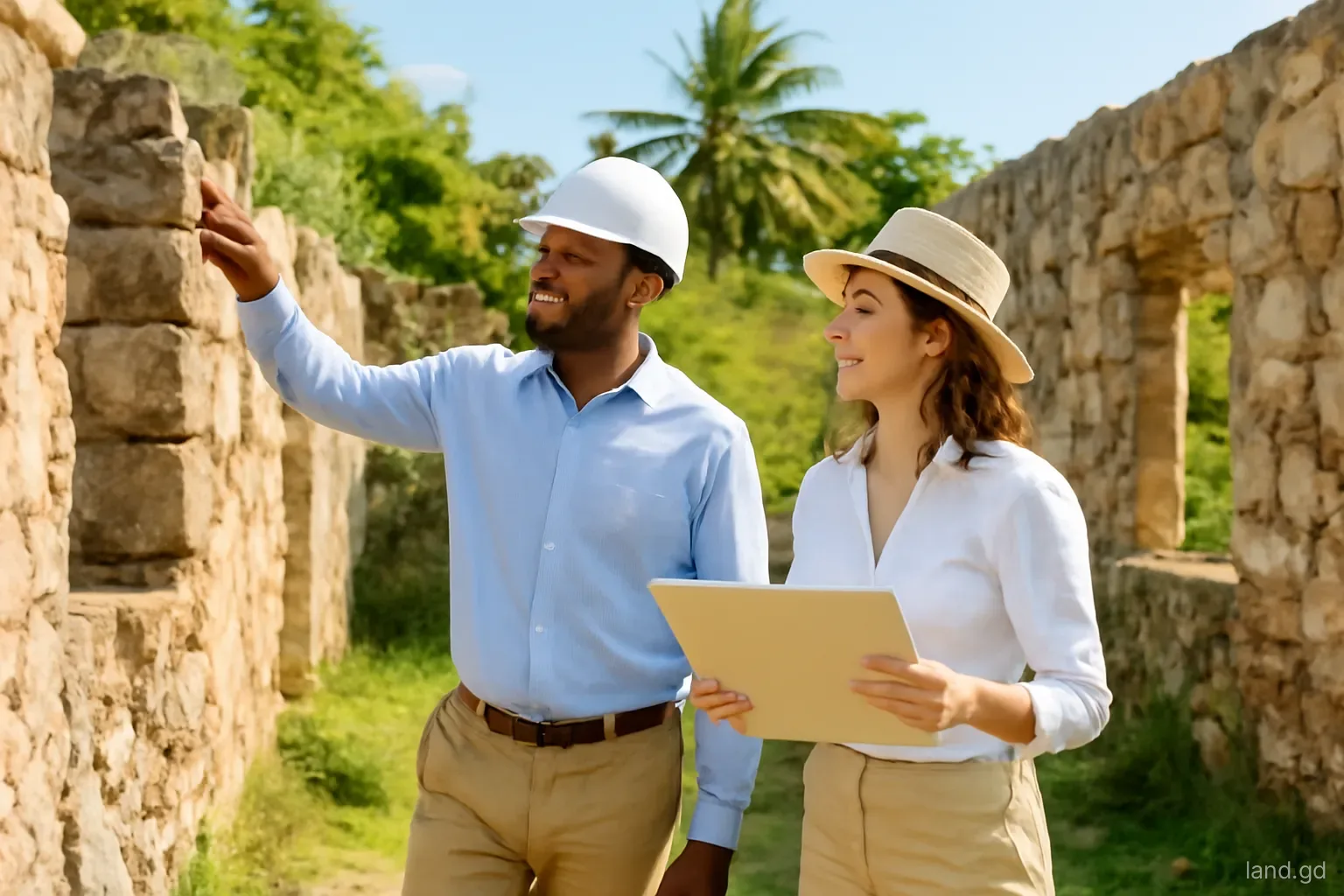
Every so often a Grenadian estate comes up for sale: a stone great house on a ridge, a works yard shaded by old trees, a cocoa drying house, and acres of overgrown land running down to a river. For a buyer with a feel for history, the attraction is obvious. These are places with presence, views and stories that no new house can match.
The reality is that an old estate is one of the most demanding properties anyone can take on in Grenada. Titles can be complex, buildings may be ruins, restoration skills are scarce, and the land may come with occupants, obligations and expectations attached. None of this means it cannot be done; several estates have been sensitively restored. It means going in with clear eyes.
This guide sets out the main issues, in the order a sensible buyer should think about them.
Title first, romance second
Estate land has usually passed through many hands: colonial owners, mortgagees, heirs, perhaps government acquisition, partial sales of lots, and family subdivisions. Each transfer is a point where things can go wrong. Before falling for a building, have a Grenadian attorney trace the title back through the Deeds and Land Registry and establish exactly what is being sold and by whom.
Pay attention to what has been carved out over the years. Many estates were reduced by sales of house lots, roads, government acquisitions or gifts to workers and relatives. The land on offer may be much smaller than the estate name suggests, and the boundaries on the ground may not match old plans. A licensed surveyor should confirm the boundaries and acreage.
Ask about people on the land. Former workers, their descendants or neighbours may farm parts of the estate under long-standing informal arrangements, or may claim rights through long occupation. Rights of way across the estate used by the community also need identifying. These issues are much easier to resolve before purchase than after.
Understanding what you are buying physically
Great houses. Typically built of rubble stone with lime mortar, sometimes with an upper storey in timber, and often roofed with timber and corrugated iron or shingles. Many have lost roofs and floors, leaving stone shells.
Works buildings. Mills, boiling houses, still houses, drying houses and stores, sometimes with machinery still in place. They are historically important and may be suitable for conversion, but their structural condition varies greatly.
Water features. Aqueducts, cisterns, wells and channels. Old wells and cisterns can be dangerous, hidden under vegetation, and should be located and secured early.
Land and trees. Neglected cocoa, nutmeg and fruit trees, shade trees and secondary forest. Some may have value; some may need clearing; some may be on slopes or stream banks that should be left alone.
Later additions. Concrete extensions, sheds and houses added in the twentieth century, of uneven quality and sometimes without planning approval.
Restoring stone buildings properly
Old estate buildings were built with lime mortar and lime-based renders, which allow walls to breathe, absorbing and releasing moisture. Repairing them with hard cement mortar and render, the common approach in modern construction, can trap moisture inside the walls and accelerate decay. Restoration work should use compatible lime-based materials and builders who understand them; finding such skills in Grenada can take time, and some owners bring in specialist advice from elsewhere.
Structural engineers should assess walls for cracking, leaning and loss of mortar, and check foundations, especially on slopes. Any restored building must be made safe for hurricanes and earthquakes, which may mean discreet reinforcement, new roof structures with proper ties and straps, and careful attention to openings. Grenada lies in an earthquake zone as well as the hurricane belt, and the Grenada building code applies to restoration as well as new construction.
Timber elements are vulnerable to termites and rot. Replacement timber should be treated or naturally durable, and any remaining historic woodwork assessed before removal.
Heritage, planning and permissions
Old estates sit where heritage, planning and environmental rules meet. Before committing, check the following:
- Whether the site or any building has heritage designation or interest. The Grenada National Trust and the Physical Planning Unit can advise on whether special consideration applies.
- What planning permission is needed for restoration, change of use, new buildings or subdivision. Converting an estate into a guesthouse, restaurant or residential development involves a full planning application.
- Whether any part of the land lies in a forest reserve, watershed, coastal zone or other protected area, which can restrict clearing and building.
- Whether archaeological remains may be present. Prehistoric and colonial-era material is found on some estates, and discoveries should be reported rather than cleared away.
- Whether you need an Alien Landholding Licence. For a non-citizen, a large estate purchase will normally require one, and the scale of the land may draw closer scrutiny of your plans.
Budget and time: the honest picture
It is common for restoration costs to exceed purchase price, sometimes by a wide margin. Stonework, roofing, structural reinforcement, new services, water storage, access roads and clearing land all add up, and costs in Grenada are increased by imported materials, scarce specialist skills and the logistics of working on remote hillside sites. Get detailed estimates from local contractors and add a generous contingency.
Time also needs planning. Title work, the Alien Landholding Licence for non-citizens, planning approval and the restoration itself can easily stretch over several years. Owners who live abroad and manage remotely often find progress slower and more expensive than expected; a trusted project manager or local partner on the ground is close to essential.
Phasing helps. Many owners stabilise and roof the main building first, then restore one wing or outbuilding to live in, and leave other structures as consolidated ruins until money and time allow. A stabilised ruin, made safe and kept free of vegetation, is far better than a half-finished restoration abandoned when funds run out.
Think too about running costs once the work is finished: maintaining a large building and grounds, security, insurance (which may be expensive or limited for historic buildings) and staff.
Making an estate pay its way
Few restored estates in Grenada survive on residential use alone. Owners who keep them going usually combine several sources of income: farming cocoa, nutmeg, fruit or vegetables; processing, such as chocolate or spice products; guest accommodation; a restaurant; tours; and events such as weddings. Each brings its own permissions, staffing and marketing demands.
Farming income on its own is modest and slow, especially if tree crops need rehabilitation. Tourism income depends on location and access: a remote estate on a rough road will struggle to attract day visitors, while one on a main route or near other attractions has an advantage. Accommodation requires investment to meet visitor expectations, and some guests come precisely for the history, which argues for sensitive restoration rather than modernisation.
Be realistic in the business plan and test assumptions with people already running agro-tourism or guest businesses on the island. Many estate owners describe their properties as a long-term commitment rather than an investment with quick returns.
A sensible sequence for a would-be estate buyer
Moving in this order protects both the buyer and the heritage of the site, and it puts the cheapest checks before the most expensive commitments, so that a deal can be abandoned early if a serious problem appears:
- Visit several times, in wet and dry seasons, and talk to neighbours about the estate's history and any disputes.
- Instruct an attorney to examine the title and a surveyor to confirm boundaries.
- Commission a structural survey of key buildings by an engineer familiar with masonry.
- Discuss plans informally with the Physical Planning Unit and, where relevant, the Grenada National Trust.
- Prepare realistic budgets for purchase, restoration and running costs.
- Apply for the Alien Landholding Licence if needed, with a clear statement of intended use.
- Negotiate a price reflecting condition, title complexity and occupation issues.
- Plan restoration in phases, securing and stabilising buildings first.
Frequently asked questions
Are old estates for sale in Grenada?
They come up from time to time, sometimes through agents, more often through attorneys, families or word of mouth. Many estates have already been subdivided, so whole estates with their main buildings are relatively rare. Each one needs careful title, survey and structural checks before any commitment.
Can an estate house be converted into a guesthouse?
It can, subject to planning permission for change of use, compliance with building and safety standards and any tourism licensing that applies. The Physical Planning Unit and the Grenada Tourism Authority can explain the requirements. Converting historic buildings usually takes longer and costs more than new construction.
Why does lime mortar matter in restoration?
Old Grenadian stone buildings were built with lime mortar, which lets walls absorb and release moisture. Hard cement repairs can trap moisture and damage the stone and joints over time. Using compatible lime-based materials and experienced builders helps restored walls last and keeps the building's character.
Do non-citizens need a licence to buy an estate?
In most cases, yes. A non-citizen buying land in Grenada normally needs an Alien Landholding Licence, and a large estate purchase may receive closer scrutiny of intended use. Your attorney can advise on the process, timing and fees, and whether any exception applies.
What should be done about people living or farming on an estate?
Identify them before purchase and find out on what basis they are there: lease, informal permission or long occupation. An attorney can advise on their legal position. Resolving these arrangements fairly before buying avoids disputes and helps relations with the surrounding community.